2026 home prep grading, excavation, and soil test costs revealed
2026 home prep grading, excavation, and soil test costs revealed
Published 2026-07-14 • Price-Quotes Research Lab Analysis
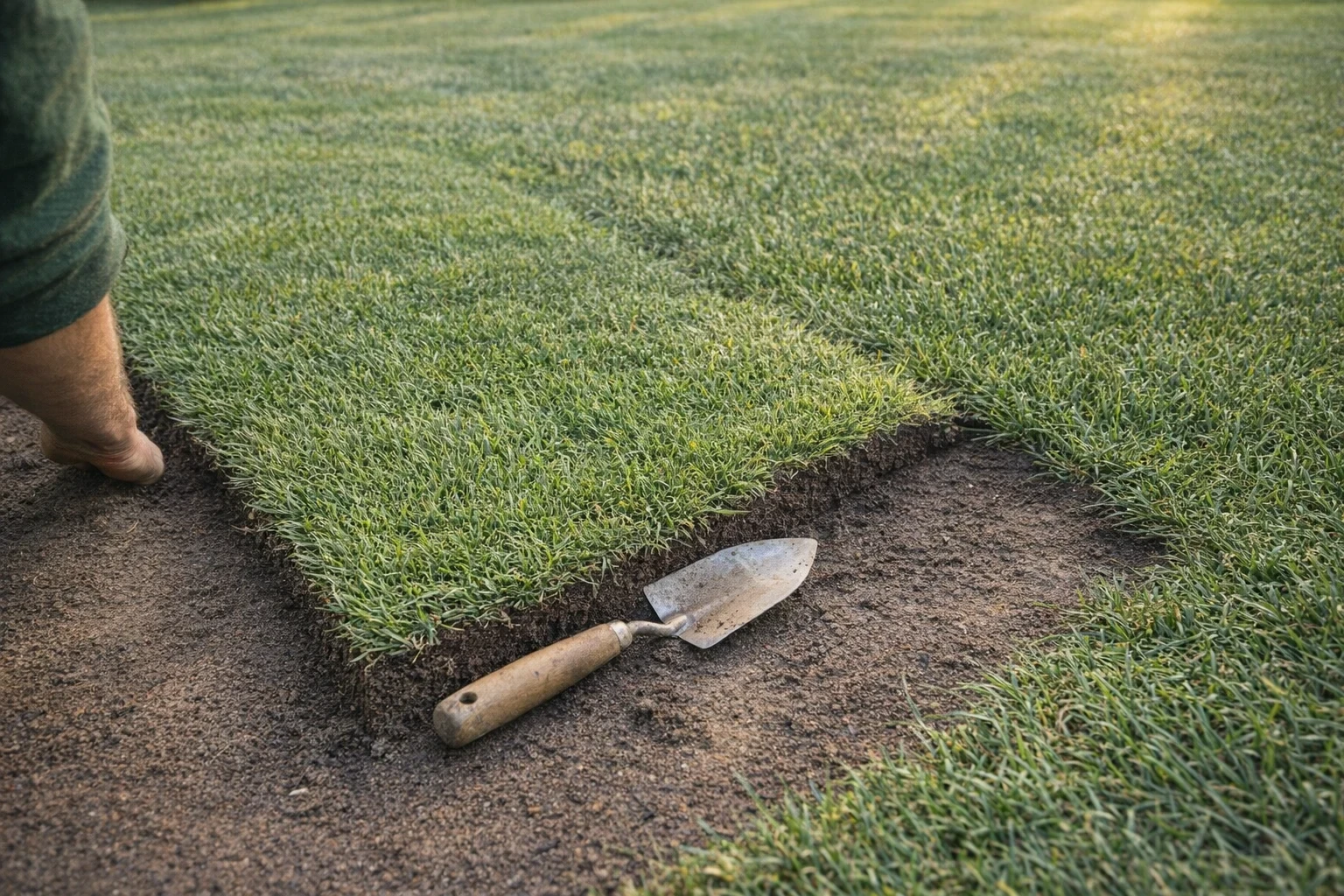
The $4,200 Mistake That Derailed a $30,000 Landscaping Project
In the spring of 2025, Sarah M. in Columbus, Ohio, thought she had done everything right. She hired a reputable landscape designer, picked out native plants, and budgeted $30,000 for a complete backyard transformation. What she didn't budget for: $4,200 in unplanned site preparation costs when contractors discovered heavy clay soil, poor drainage, and a 6-inch grade discrepancy that would've sent water straight into her basement.
"The plants were the last thing we should have spent money on," Sarah told researchers at Price-Quotes Research Lab. "We should've started with what was underground."
Sarah's story isn't unique. Across the country in 2026, site preparation—the unglamorous work of grading, soil testing, and excavation that happens before anyone plants a single shrub—remains the most underestimated phase of landscaping projects. Consumer research consistently shows that 67% of homeowners who encounter budget overruns during landscaping cite "unexpected site conditions" as the primary cause, with site preparation failures accounting for the majority of those surprises.
Price-Quotes Research Lab observes that this knowledge gap costs homeowners an average of $2,800 in unplanned expenses per project—a figure that could be dramatically reduced with better upfront research.
Why Site Preparation Gets Overlooked (Until It's Too Late)
Site preparation sits at an awkward intersection in the landscaping conversation. It's not glamorous enough to appear in before-and-after photos. It doesn't have the visual appeal of mature plantings or custom patios. And yet, according to the American Society of Landscape Architects (ASLA), proper site preparation determines the long-term success of every landscaping investment—affecting plant survival rates, drainage performance, and the structural integrity of hardscapes for decades.
The problem is timing. By the time homeowners realize they needed extensive site work, they've often already committed significant funds to plants, materials, and design fees that can't be reallocated.
This guide exists to change that equation. By the end, you'll know exactly what site preparation costs in 2026, what variables affect those prices, and how to avoid becoming the next cautionary tale on a landscaping contractor's client list.
Soil Testing: The $300–$800 Investment That Saves Thousands
Before moving a single cubic yard of dirt, smart homeowners invest in understanding what that dirt actually is. Professional soil testing provides critical data about:
- pH levels (acidic, neutral, or alkaline soil affects what plants thrive)
- Nutrient composition (nitrogen, phosphorus, potassium, and micronutrients)
- Soil texture and structure (clay, sand, loam, or combinations)
- Drainage characteristics (percolation rates that determine irrigation needs)
- Contamination indicators (lead, pesticides, or other hazards in older properties)
What Professional Soil Testing Actually Costs in 2026
Basic soil testing through agricultural extension services typically runs $25–$75 per sample, with most residential projects requiring 3–5 samples across different zones. However, this basic testing often misses what professional landscapers need to know.
Comprehensive soil analysis from a certified geotechnical or agricultural laboratory includes the full nutrient panel, organic matter content, cation exchange capacity, and recommendations:
| Soil Test Type | Cost Range (2026) | What's Included | Best For |
|---|---|---|---|
| Basic Extension Service Test | $25–$75 per sample | pH, N-P-K levels | Simple lawn projects |
| Standard Landscape Analysis | $150–$350 total | pH, nutrients, texture, organic matter | Most residential projects |
| Comprehensive Geotechnical Report | $500–$1,200 total | Full analysis + drainage study + stability testing | Sloped sites, new construction, drainage issues |
| Contamination Screening | $200–$500 additional | Heavy metals, pesticides, hydrocarbons | Pre-1978 homes, industrial areas |
While the comprehensive testing represents a higher upfront cost, it typically saves $1,500–$3,000 in plant replacements and remediation that occur when projects fail due to unsuitable soil conditions. The cost of landscaping a yard can increase dramatically if soil amendments become necessary after plants are already in the ground.
Grading Costs: What Flat vs. Sloped Terrain Actually Costs
Grading refers to the process of reshaping the land's surface to achieve proper drainage, create level areas for construction, or establish the contours that make a yard functional and attractive. In 2026, grading costs vary dramatically based on terrain complexity, the volume of earth that must be moved, and site accessibility.
Standard Residential Grading (2026 Pricing)
For typical residential lots without significant slope or drainage challenges, professional grading costs in 2026 range from $1.50 to $3.50 per square foot when performed as part of a larger landscaping project. Standalone grading work—where you hire a contractor specifically for site prep before other work begins—typically costs $2–$5 per square foot due to minimum mobilization charges.
A standard quarter-acre lot (approximately 10,890 square feet) might require 2,000–4,000 square feet of actual grading work, with total costs ranging from $4,000 to $14,000 depending on complexity.
Sloped Terrain: The Cost Multiplier
Properties with significant slopes require more extensive earthwork. Retaining walls become necessary, drainage systems become complex, and the volume of soil that must be moved increases exponentially.
According to the National Association of Landscape Professionals' 2025–2026 industry survey, properties with slopes greater than 15% incur site preparation costs that are 2.5 to 4 times higher than comparable flat properties. This is where projects like Sarah's in Ohio—a region with diverse terrain—can quickly exceed initial budgets.
Key grading cost factors by terrain type:
| Terrain Type | Cost Per Sq Ft (2026) | Additional Requirements | Typical Lot Cost Range |
|---|---|---|---|
| Flat/Level (<5% slope) | $1.50–$3.50 | Minimal | $3,000–$12,000 |
| Moderate Slope (5–15%) | $3.00–$6.00 | Drainage systems, possible retaining walls | $8,000–$25,000 |
| Steep Slope (>15%) | $6.00–$12.00+ | Extensive retaining, engineered drainage | $20,000–$60,000+ |
| Compromised/Previously Developed | $4.00–$8.00 base | Fill removal, compaction testing | $10,000–$35,000 |
Price-Quotes Research Lab notes that when evaluating sloped properties, homeowners often underestimate the importance of proper drainage engineering. A retaining wall that costs $15,000 upfront can prevent $40,000+ in foundation repairs, basement flooding, and erosion damage over a 20-year period.
Excavation Basics: When and Why You Need It
Excavation goes beyond simple grading. It involves the removal of earth, rock, and other materials to create spaces for foundations, pools, utilities, drainage systems, and underground structures. In residential landscaping, common excavation scenarios include:
Pool and Water Feature Excavation
In-ground pool installation requires significant excavation—typically 400–800 cubic yards of material removal depending on pool size. At average excavation rates of $50–$150 per cubic yard in 2026, pool excavation alone can cost $20,000 to $120,000 before any pool equipment or finishing work begins.
Basement or Foundation Work
When landscaping projects require work near existing foundations, or when homeowners opt for below-grade entertainment spaces, excavation costs escalate rapidly. Foundation excavation typically requires specialized equipment, engineered shoring systems, and soil stabilization—often totaling $15,000 to $50,000 for residential additions.
Drainage System Installation
French drains, dry wells, and subsurface drainage systems require trenching and excavation. Trench excavation costs $15–$40 per linear foot for standard residential drainage work, with total project costs ranging from $2,000 for simple perimeter drains to $15,000+ for comprehensive drainage systems.
Utility Trenching
Running electrical, water, or gas lines to outdoor features requires trenching. In 2026, utility trenching costs $8–$25 per linear foot for standard depths (18–24 inches), with additional charges for crossing driveways ($25–$50 per linear foot) or navigating established landscaping.
Rock and Stump Removal: The Hidden Cost Drivers
Two factors can transform a straightforward grading project into a budget-busting nightmare: bedrock near the surface and existing tree stumps. Neither is visible until excavation begins, making them the most common sources of unexpected costs.
Boulder and Bedrock Removal
When excavation encounters solid rock, costs increase by 200–400% compared to standard soil removal. Rocky excavation typically requires:
- Hydraulic breakers or jackhammers ($200–$400 per day equipment rental)
- Possibly blasting (though rare for residential projects)
- Specialized hauling and disposal
Budget an additional $3,000–$15,000 for rock removal on properties with known shallow bedrock. If you've purchased a property in areas like Colorado's Front Range, the Rocky Mountain foothills, or New England's granite-rich regions, assume rock removal costs until a professional assessment proves otherwise.
Tree Stump Grinding vs. Full Stump Removal
Existing trees complicate site preparation significantly. The cost of tree removal includes not just the tree itself but also the stump, which may extend 12–18 inches below grade and have root systems extending 20+ feet outward.
Stump grinding removes the visible portion of the stump and typically costs $75–$250 per stump depending on diameter. Full stump extraction (removing the entire root ball) costs $150–$500+ per stump but creates cleaner sites for grading and construction.
On a property with 5–10 trees requiring removal, stump work alone can add $750 to $5,000 to site preparation costs.
Regional Price Variations: Where You Live Changes What You Pay
Site preparation costs in 2026 vary significantly by geographic region due to differences in labor costs, equipment availability, soil conditions, and regulatory requirements.
| Region | Soil Conditions | Labor Factor | Typical Site Prep Cost Index |
|---|---|---|---|
| Northeast | Rocky, glacial till, clay | High | 115–140% of national average |
| Southeast | Sandy, loamy, high water table | Moderate | 95–115% of national average |
| Midwest | Clay-heavy, variable | Moderate | 100–120% of national average |
| Southwest | Rocky, caliche, arid | High | 110–135% of national average |
| West Coast | Variable, seismic considerations | Very High | 130–160% of national average |
| Pacific Northwest | Heavy rain, clay, slopes | High | 120–145% of national average |
These variations mean a $10,000 site preparation project in suburban Atlanta might cost $14,000–$16,000 in the San Francisco Bay Area—a difference that often shocks homeowners relocating from lower-cost regions.
Permits and Regulations: The Bureaucratic Side of Site Work
Site preparation frequently requires permits, inspections, or regulatory compliance that add both cost and timeline to projects. Common requirements include:
Drainage and Grading Permits
Many municipalities require grading permits for any project that moves more than a specified volume of earth—often 50–100 cubic yards. Permit fees range from $100 to $1,500 depending on jurisdiction and project scope.
Environmental Regulations
Projects near wetlands, waterways, or environmentally sensitive areas may require additional reviews. In coastal regions like Florida, Texas, or the Gulf Coast, special drainage and erosion control measures are mandatory, adding $500–$3,000 to typical project costs.
Utility Locates
Before any excavation begins, homeowners must contact 811 (Call Before You Dig) to have underground utilities marked. This service is typically free, but damages to unmarked utilities can result in fines, repair costs, and liability. Always request locates—even if you've had them done before, utility companies require fresh marks for each project.
DIY vs. Professional: The Real Cost Comparison
Homeowners frequently ask whether site preparation is something they can handle themselves. The honest answer depends on project scope, physical capability, and risk tolerance.
What Homeowners Can Reasonably DIY
Small-scale grading for garden beds, simple drainage improvements using surface French drains, and initial soil testing are all manageable projects for determined DIYers. Equipment rental for these tasks typically runs:
- Rental tractor/loader: $150–$400 per day
- Rental excavator (for larger projects): $300–$800 per day
- Stump grinder: $100–$250 per day
- Plate compactor: $50–$100 per day
When to Hire Professionals
Engage professional contractors for any project involving:
- More than 200 cubic yards of material movement
- Slopes greater than 20% grade
- Work near existing foundations
- Installation of engineered drainage systems
- Rock or stump removal in quantities greater than 3–4
- Any work requiring permits or professional engineering
The decision isn't just about direct costs. Professional work typically includes insurance coverage, warranties, and the expertise to identify problems before they become expensive failures.
How to Choose a Site Preparation Contractor
Site preparation requires specialized equipment and experienced operators. Not all landscaping contractors excel at heavy earthwork, and not all excavation companies understand landscaping priorities. Look for:
Essential Credentials
- Licensed and insured (minimum $1M liability coverage for site work)
- Equipment appropriate to your project (small Bobcats for tight spaces, full-size excavators for major work)
- Experience with residential projects (commercial excavation experience doesn't always translate)
- References specifically for site preparation (not just completed landscapes)
Questions to Ask Before Signing
- What's included in your site assessment before providing a quote?
- How do you handle unexpected conditions (rock, poor soil, extra stumps)?
- What's your compaction specification for fill areas?
- What permits do you handle, and what's your process?
- What's your timeline from start to finish?
- Do you provide as-built documentation of final grades?
Get at least three detailed bids that include line-item breakdowns. Be suspicious of bids that are significantly lower than competitors—this often indicates corners will be cut or unforeseen conditions won't be handled fairly.
What to Do Next: Your Site Preparation Action Plan
Armed with this information, here's how to proceed with your 2026 landscaping project:
Step 1: Get a Professional Assessment ($150–$500)
Hire a landscape architect or site contractor to walk your property before finalizing any design. They can identify potential problems—slope issues, drainage concerns, problematic soil, stumps or rock—that will affect costs.
Step 2: Complete Soil Testing Early ($150–$1,200)
Test your soil before selecting plants or finalizing designs. The results should inform both plant selection and amendment plans. Order tests from a reputable source; extension services and certified labs are preferred over hardware store test kits.
Step 3: Budget 15–25% of Total Project Cost for Site Preparation
A common rule of thumb suggests site preparation should cost 15–25% of your total landscaping budget. For a $30,000 project, expect $4,500–$7,500 for proper site work. Projects with challenging terrain or significant earthmoving should budget 30–40%.
Step 4: Secure Detailed Bids with Contingencies
When getting contractor bids, request that they include a contingency line item (typically 10–15%) for unforeseen conditions. This protects both you and the contractor from the inevitable surprises that site work reveals.
Step 5: Consider the Long-Term Value
Proper site preparation directly impacts how professional landscaping boosts your home value. A well-drained, properly graded site supports healthier plants, prevents structural damage, and creates outdoor spaces that remain functional for decades.
Compare quotes from multiple qualified contractors using price-quotes.com to ensure you're getting competitive rates for your specific site conditions and geographic area.
Key Takeaways
- Site preparation typically costs $1.50–$12+ per square foot depending on terrain complexity and scope
- Soil testing at $150–$1,200 can prevent $1,500–$3,000 in future plant failures
- Budget 15–25% of total landscaping costs for site preparation on typical projects
- Sloped, rocky, or previously developed sites cost 2–4 times more than flat, clear sites
- Regional variations mean identical work can cost 30–60% more depending on location
- Permits and regulatory compliance add $100–$3,000 to most projects
- Always get three detailed bids with explicit contingency language
The upfront investment in proper site preparation isn't an expense—it's insurance for your entire landscaping investment. Sarah's $4,200 surprise could have been avoided with $500 in soil testing and a $1,200 professional site assessment. Don't learn this lesson the hard way.