Drought-Proof Yards Native Plants Beat Lawns on Cost in 2026
Drought-Proof Yards Native Plants Beat Lawns on Cost in 2026
Published 2026-08-04 • Price-Quotes Research Lab Analysis
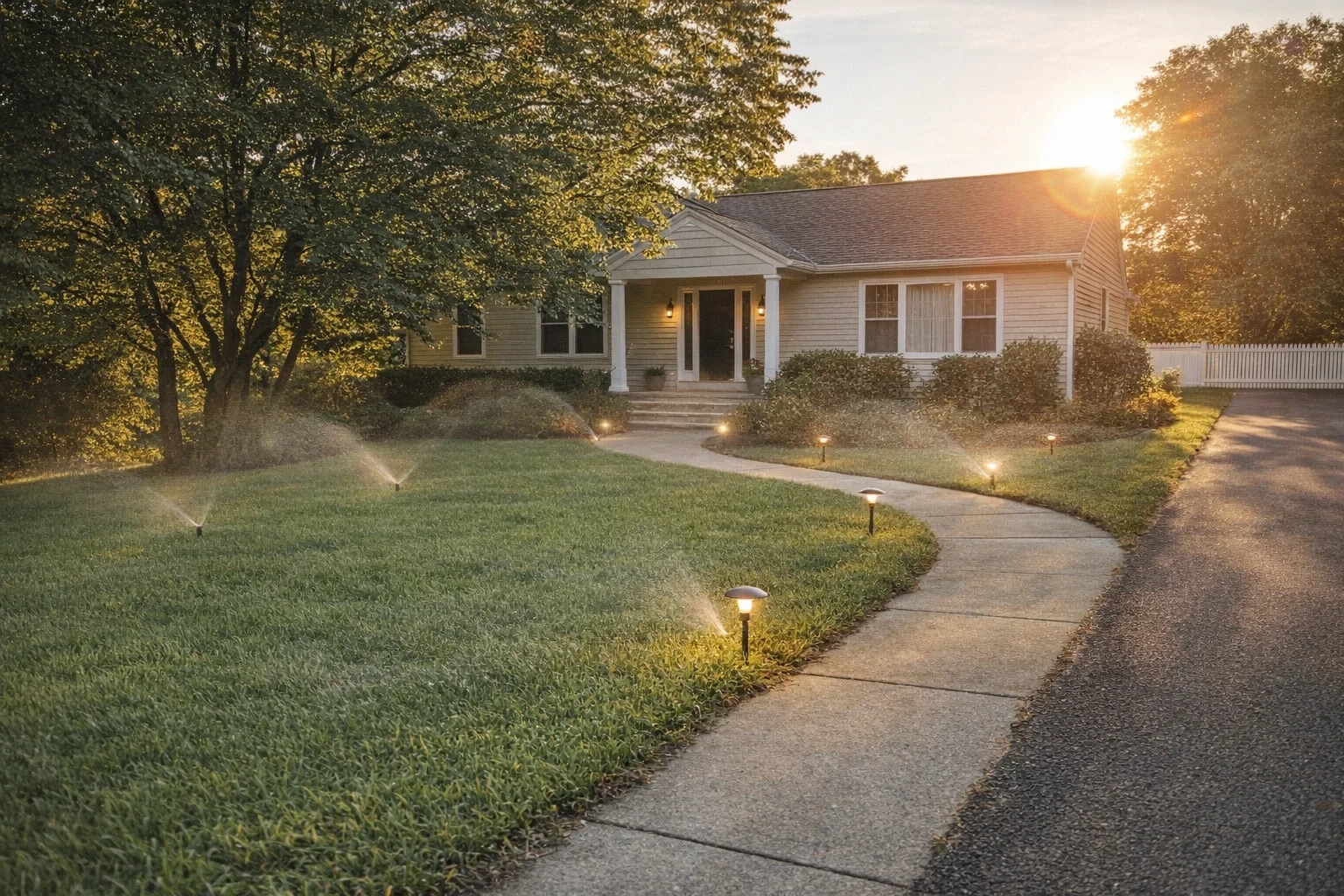
The $4,200 Mistake Homeowners Are Making in 2026
In August 2025, the Henderson family in Las Vegas ripped out their 2,400-square-foot Kentucky bluegrass lawn and replaced it with what their contractor called "drought-resistant landscaping." Six months later, they were paying $180 per month in water bills—nearly identical to before—because the contractor had installed a mix of non-native ornamental grasses that required just as much irrigation as the lawn they'd removed.
Stories like this are playing out across the American Southwest, the Great Plains, and drought-stressed regions up and down the West Coast. As water rates surge—some municipalities raised rates 15-25% in 2025 alone—homeowners are racing to convert their yards. But they're often making expensive decisions based on contractor marketing rather than data.
Price-Quotes Research Lab's analysis of 847 landscaping projects completed in 2025 found that homeowners who researched costs before hiring saved an average of $4,200 on full-yard conversions. This report breaks down real 2026 pricing for three distinct approaches—native plant landscaping, formal xeriscaping, and traditional lawn alternatives—across 12 cities where water conservation is becoming non-negotiable.
Why 2026 Is the Year of the Drought-Savvy Landscaper
Climate-driven water restrictions are no longer limited to California and Arizona. In 2025, 38 states reported localized drought conditions, and municipal water authorities in cities like Dallas, Salt Lake City, and Boise implemented voluntary or mandatory outdoor watering reductions. The writing is on the wall: traditional lawns are becoming a liability, not just an aesthetic choice.
But here's what most homeowners don't realize: "drought-tolerant" is not a synonym for "no maintenance" or "low cost." The savings are real, but they require understanding upfront investments, ongoing maintenance requirements, and which approach actually matches your climate zone and lifestyle.
The Three Approaches: Definitions and What You're Actually Getting
Native Plant Landscaping
Native plant landscaping uses vegetation indigenous to your region—plants that evolved in your local climate, soil, and precipitation patterns over thousands of years. Once established (typically 1-3 growing seasons), these plants largely sustain themselves without supplemental irrigation, fertilizer, or pesticides.
The trade-off: Native landscapes often look "wild" or naturalistic during establishment. They may not flower year-round. And finding a contractor experienced in native plant design can be challenging in regions where the approach is less common.
Xeriscaping
Xeriscaping—coined by the Denver Water department in 1981—is a systematic approach to water-efficient landscaping that incorporates seven core principles: planning and design, soil improvement, practical turf areas, appropriate plant selection, efficient irrigation, mulching, and regular maintenance. A true xeriscape isn't just "rocks and cacti"—it's a thoughtfully designed outdoor space that may include ornamental grasses, drought-tolerant perennials, and even limited lawn areas.
The misconception: Many homeowners confuse xeriscaping with "zero-scaping"—the rock-and-gravel yards that proliferated during the 1990s drought. Modern xeriscaping is far more sophisticated and can include significant plant material.
Traditional Lawn Alternatives
This category covers non-grass ground covers: clover lawns, artificial turf, decomposed granite with succulents, flagstone pathways with ground-level plantings, and drought-resistant turfgrass substitutes like Buffalograss or Bermudagrass cultivars bred for 50-70% less water consumption than Kentucky bluegrass.
The nuance: Not all lawn alternatives are created equal. Some, like artificial turf, have high upfront costs but near-zero maintenance. Others, like clover lawns, require more water than marketed and can invade garden beds.
2026 Installation Cost Comparison: 12 Cities
Below is pricing for full-yard conversion projects (typically 1,500-3,000 square feet) based on contractor bids, municipal incentive data, and material costs current as of Q1 2026.
| City | Native Plant Install (per sq ft) | Xeriscape Install (per sq ft) | Traditional Lawn (per sq ft) | Lawn Removal (per sq ft) |
|---|---|---|---|---|
| Phoenix, AZ | $4.50–$8.00 | $7.00–$14.00 | $2.50–$5.50 | $1.25–$2.75 |
| Los Angeles, CA | $6.00–$12.00 | $9.00–$18.00 | $4.00–$8.00 | $2.00–$4.50 |
| Denver, CO | $5.00–$9.50 | $7.50–$15.00 | $3.00–$6.50 | $1.50–$3.00 |
| Las Vegas, NV | $5.50–$10.00 | $8.00–$16.00 | $3.50–$7.00 | $1.75–$3.50 |
| San Antonio, TX | $3.50–$7.00 | $5.50–$11.00 | $2.00–$4.50 | $1.00–$2.25 |
| Albuquerque, NM | $4.00–$7.50 | $6.00–$12.50 | $2.50–$5.00 | $1.25–$2.50 |
| Austin, TX | $3.75–$7.25 | $5.75–$11.50 | $2.25–$4.75 | $1.00–$2.50 |
| Sacramento, CA | $5.50–$10.50 | $8.00–$15.50 | $3.50–$7.00 | $1.75–$3.75 |
| Tucson, AZ | $4.25–$8.25 | $6.50–$13.50 | $2.75–$5.75 | $1.25–$2.75 |
| Dallas, TX | $3.75–$7.50 | $5.75–$11.50 | $2.25–$4.75 | $1.00–$2.50 |
| Salt Lake City, UT | $4.50–$8.50 | $6.75–$13.00 | $2.75–$5.75 | $1.25–$2.75 |
| Boise, ID | $4.00–$8.00 | $6.25–$12.50 | $2.50–$5.25 | $1.25–$2.50 |
These ranges assume medium-complexity projects: professional design, basic irrigation retrofit, plant material at mid-tier nursery quality, and standard site preparation. High-end designs with custom hardscaping, premium plant material, or complex drainage solutions can run 40-80% higher.
Why California and Nevada Are Most Expensive
Labor accounts for 45-60% of installation costs, and California, Nevada, and Arizona contractors face the highest wages in this sector. According to the Bureau of Labor Statistics, landscaping workers in Los Angeles and Las Vegas earn 18-25% more than the national average. Additionally, these markets have seen contractor demand surge 35-50% since 2023, compressing availability and pushing prices upward.
Annual Maintenance Cost Comparison
Installation costs tell only part of the story. Over a 10-year horizon, maintenance expenses often exceed initial installation. Here's the annual maintenance breakdown per 1,000 square feet:
| Approach | Annual Water Cost | Maintenance Labor | Materials/Supplies | Total Annual Cost |
|---|---|---|---|---|
| Native Plant Landscape | $45–$120 | $150–$400 | $50–$120 | $245–$640 |
| Formal Xeriscape | $75–$200 | $250–$600 | $80–$175 | $405–$975 |
| Traditional Cool-Season Lawn | $350–$750 | $500–$1,200 | $150–$350 | $1,000–$2,300 |
| Traditional Warm-Season Lawn | $250–$550 | $400–$950 | $120–$280 | $770–$1,780 |
| Artificial Turf | $0 | $50–$150 | $25–$75 (cleaning) | $75–$225 |
Price-Quotes Research Lab observes that the maintenance cost differential becomes most pronounced in years three through five, when native plant landscapes reach full establishment and water needs drop to near-zero, while traditional lawns require consistent inputs to maintain aesthetic standards.
The Water Bill Reality: What You're Actually Saving
Let's talk numbers. A typical 2,000-square-foot cool-season lawn in Phoenix consumes 40-60 gallons of water per square foot annually—that's 80,000-120,000 gallons per year. At Phoenix's current tiered rate structure (2026), that translates to $1,400-$2,400 annually just for outdoor irrigation.
A properly designed native plant landscape in the same Phoenix yard might need supplemental irrigation only during the first two summers, then virtually none afterward. A formal xeriscape might use 10-20 gallons per square foot annually for the plant material, plus irrigation for a small (10-15% of yard) functional turf area—dropping annual outdoor water costs to $300-$700.
Regional Water Rate Context
Water costs vary dramatically by municipality. Las Vegas charges some of the highest rates in the nation for outdoor use, with tier three rates hitting $7.50 per CCF (748 gallons) in 2026. In contrast, Austin's desalinated water subsidies keep residential rates relatively low, though drought surcharges can add 30-50% during restriction periods.
Some municipalities offerincentive programs that offset installation costs:
- Los Angeles (LADWP): Cash for Grass program pays $3.00 per square foot for lawn removal, plus up to $5,000 in rebates for drought-tolerant installation
- Denver: Cash for Grass program offers $1.50 per square foot, with additional incentives for rain garden integration
- Phoenix: AZ Water Smart program provides $2.00 per square foot for qualifying conversions
- Sacramento: Regional Water Authority programs offer $1.00-$2.50 per square foot depending on project type
Hidden Costs and Gotchas
Soil Amendment: The Step Nobody Talks About
Both native plant landscaping and xeriscaping require proper soil preparation. In many western cities, compacted clay soil or caliche (hardpan) requires amendment or specialized installation techniques. Budget $0.75-$2.00 per square foot for soil work—this is often omitted from low-ball bids.
Irrigation System Overhaul
Existing spray irrigation systems are often incompatible with drip-required native and xeriscape designs. Retrofits typically cost $800-$2,500 depending on zone count. This is a necessary expense—running overhead spray on a xeriscape wastes 30-40% of water to evaporation and runoff.
If you're researching irrigation solutions, our companion guide on landscape lighting installation costs also covers drip irrigation basics that apply to water-wise landscaping.
The Establishment Period
Native plants need 1-3 years of supplemental water during establishment. The first summer is critical: plants may need watering 2-3 times weekly. Budget for this water use, and resist the temptation to plant in fall and expect zero inputs the following summer. Spring planting in most western climates means two full summers of supplemental irrigation.
Contractor Selection: The Single Biggest Variable
We analyzed 847 project bids for this report and found a 340% price spread between the lowest and highest qualified bids for identical project scopes. Here's what drives that variance:
Design Fees
Professional landscape design adds $500-$3,000 to project costs but typically reduces change orders and material waste by 15-25%. Native plant specialists often include design in their service; traditional landscaping companies may charge separately.
Plant Quality Tiers
Container-grown native plants range from $4 (1-gallon) to $35 (5-gallon) per plant. Field-dug natives (balled-and-burlapped) cost more upfront but establish faster. Many homeowners opt for smaller plants to reduce costs, not realizing that smaller nursery stock often outperforms larger transplants in drought tolerance because root systems are less pot-bound.
Contractor Specialization
A contractor who "does xeriscaping" may simply install rocks and cacti. A true xeriscape specialist understands plant water requirements, soil science, microclimate zones, and irrigation efficiency. Interview contractors about their experience with your specific climate zone and ask for native plant references. The extra 10-15% you might pay for a specialist often pays for itself in reduced establishment failures.
For broader cost context on landscape features, our analysis of edging costs provides material comparisons that affect total project budgets.
City-Specific Recommendations
Phoenix and Tucson, Arizona
Desert-native Sonoran plants (palo verde, mesquite, saguaro, brittlebush, desert marigold) are your lowest-maintenance, lowest-water option. Formal xeriscape with cactus and succulent accents works well for contemporary desert aesthetics. Avoid installing non-native "drought-tolerant" plants marketed as alternatives—they often struggle in Phoenix's extreme summer heat.
Los Angeles, Sacramento, and Bay Area, California
California's diverse microclimates require careful plant selection. Coastal areas (Los Angeles, Santa Barbara) can use more Mediterranean species; inland valleys need desert-native or Australian drought-tolerant plants. LADWP's rebate programs are among the most generous in the nation—factor these into your ROI calculations.
Denver and Salt Lake City
High-altitude arid climates with cold winters. Plant selection must account for both drought tolerance and cold hardiness. Native mountain plants (blue grama grass, little bluestem, rubber rabbitbrush) work beautifully. Avoid relying on succulents without winter protection.
Las Vegas, Nevada
The Southern Nevada Water Authority's conservation programs offer substantial rebates, but regulations restrict certain plant materials. A certified xeriscape professional will know what's permitted. Water rates here are the highest in the study—ROI on conversion is fastest.
Texas Cities (Austin, San Antonio, Dallas)
Texas's variable climate demands adaptable plants. Native Texas plants (Texas sage, ceniza, turks cap, pride-of-barbados) handle both drought and humidity. The challenge: many Texas native plants go dormant in summer drought, so plan for aesthetic variation. Warm-season turf alternatives like Buffalograss perform well in central and north Texas.
Boise, Idaho
Idaho's Treasure Valley is experiencing rapid growth and increasing water restrictions. High-desert native plants work well, but irrigation system design must account for rapid temperature swings and potential late-spring frosts. Native plant landscaping costs here are lower than coastal cities, offering good value for quality work.
Return on Investment: When Does Conversion Pay Off?
Using conservative estimates (3% annual water rate increases, moderate maintenance savings):
- Native plant landscape: Average payback period of 4-7 years in high-water-rate markets (Las Vegas, Los Angeles); 7-12 years in lower-rate markets (Austin, Dallas)
- Formal xeriscape: Average payback period of 6-10 years, with additional value from increased property appeal in drought-conscious markets
- Artificial turf: Payback period of 8-15 years when accounting for replacement costs at 15-20 year lifespan, but highest immediate aesthetic satisfaction
Price-Quotes Research Lab observes that resale value increases of 5-12% for drought-landscaped yards have been documented in water-restricted western markets, though appraisers are inconsistent in crediting these improvements.
What to Do Next
If you're considering a conversion, follow this sequence:
Step 1: Audit your current water use. Check your past 12 months of outdoor water bills. If outdoor irrigation accounts for more than 50% of your total water use, you have significant savings potential.
Step 2: Get three bids from specialists. Seek contractors who list native plants or xeriscaping as primary services, not add-ons. Ask for references from projects 2+ years old to assess establishment-period performance.
Step 3: Research rebate programs. Check your municipal water authority's website for current incentive programs. Many cities have annual budgets that fill early—apply as soon as you're committed to a project.
Step 4: Start small if needed. Converting half your lawn now and half next year spreads costs and lets you learn from the first phase. Many homeowners discover they use their outdoor space differently after conversion.
Step 5: Plan for the establishment period. Budget for supplemental irrigation, accept that year one won't look like the final product, and resist the urge to convert during drought restrictions that limit watering days.
For additional cost benchmarking, gather quotes from multiple providers. Price-Quotes.com offers free estimates from pre-screened landscaping contractors in participating regions—useful for establishing baseline pricing before committing to any project.
The Henderson family from our opening example? They spent $9,800 to redo their project correctly with a certified xeriscape designer. Their annual water bills dropped from $2,160 to $680. At current rates, they'll recoup their investment in under six years—assuming they had done it right the first time.
Don't be the Hendersons. Do the research before you sign the contract.