Concrete, steel, plastic, stone edging costs compared for 2026
Concrete, steel, plastic, stone edging costs compared for 2026
Published 2026-07-19 • Price-Quotes Research Lab Analysis
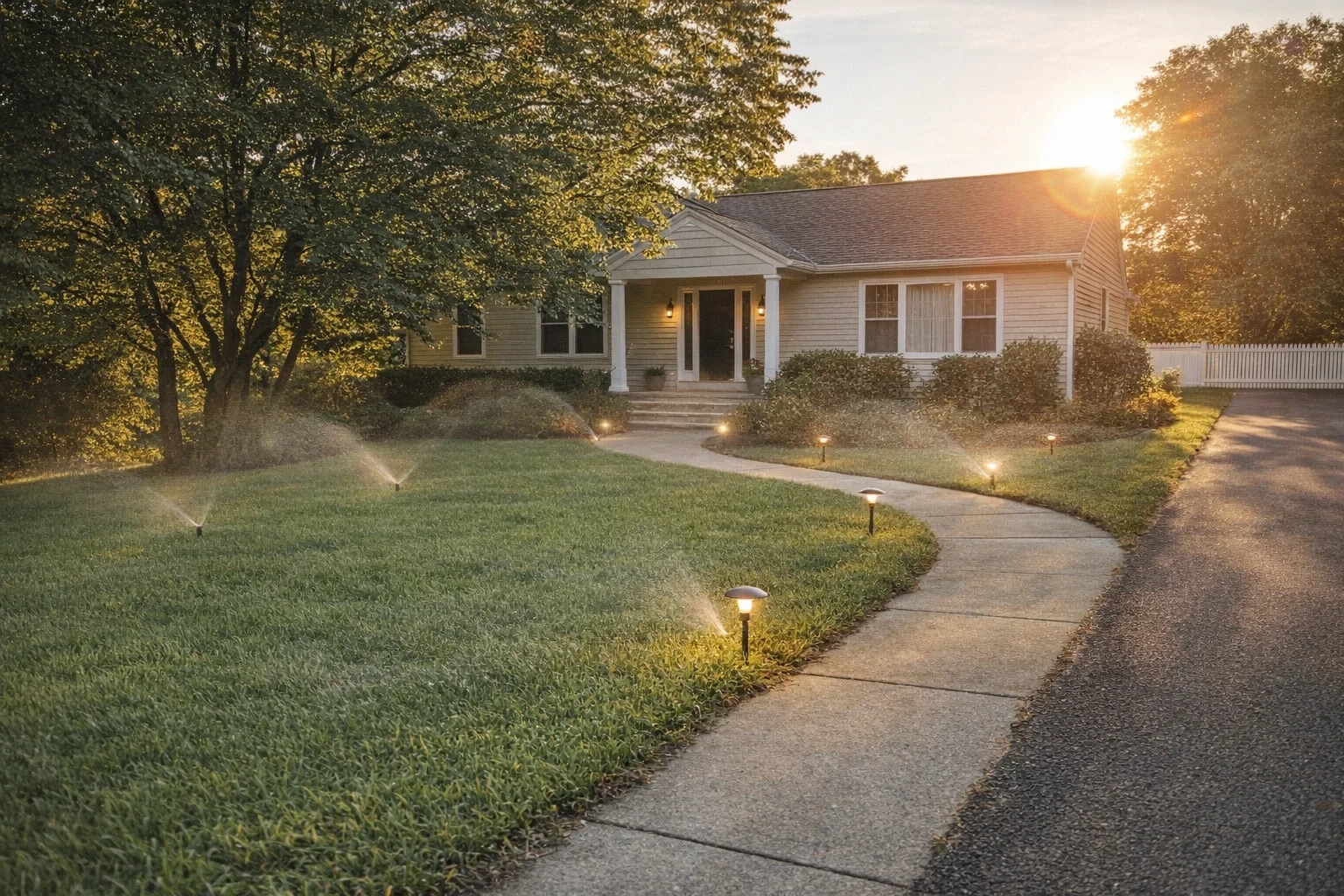
The $4,000 Mistake Homeowners Make Every Spring
Mark D. of Phoenix, Arizona, thought he was getting a deal. A contractor quoted $18 per linear foot for decorative concrete curbing—$2,880 total for his 160-foot perimeter project. What Mark didn't know: the average cost for professional concrete edging installation in the Southwest in 2026 runs between $8 and $14 per linear foot, depending on complexity. He paid 35% above market rate, and the "lifetime warranty" the contractor offered was voided when he pressure-washed the edging twice a year.
This scenario plays out in neighborhoods across America every landscaping season. Landscape edging costs vary dramatically by material, region, and installer—and the difference between a smart purchase and an overpayment can easily reach thousands of dollars. In this comprehensive guide, YardCost's research team breaks down 2026 pricing for concrete, steel, plastic, and stone edging with specific numbers you can use to negotiate confidently or tackle the project yourself.
Why Landscape Edging Costs Matter More Than You Think
Most homeowners budget meticulously for patio pavers, sod installation, or retaining walls—then treat edging as an afterthought. This is precisely backwards from a cost-effectiveness perspective. According to the American Society of Landscape Architects, properly installed edging reduces lawn maintenance time by 25-30% and prevents soil erosion that could cost $500-$2,000 annually in lost topsoil and re-sodding needs for average-sized residential properties.
Price-Quotes Research Lab observes that edging is one of the highest-ROI improvements in residential landscaping when specified correctly. A $1,200 steel edging installation can protect $8,000 in plantings and prevent thousands in future hardscape repairs.
Concrete Edging Costs in 2026
Decorative concrete curbing remains the most popular professional-installed edging option in the United States, accounting for approximately 38% of all residential edging installations according to the Concrete Decor Magazine 2025 industry survey. For 2026, expect the following pricing structure:
- Basic extruded concrete (4-inch reveal): $8-$12 per linear foot installed
- Stamped or colored concrete: $14-$22 per linear foot installed
- Stamped concrete with integral stain: $18-$28 per linear foot installed
- Exposed aggregate concrete: $16-$25 per linear foot installed
- Curved custom pours: 25-40% premium over straight sections
The national average for standard extruded concrete edging in 2026 sits at $11.50 per linear foot, including labor and basic site preparation. However, regional variations are significant. In the Pacific Northwest, average costs run 15-20% higher due to stricter environmental regulations on concrete waste disposal and higher labor costs. In the Southeast, particularly in Florida, competitive market saturation has pushed average costs down to $9-$13 per linear foot for basic installations.
Hidden costs to watch for:
- Existing root removal: $3-$8 per linear foot
- Slope correction: $5-$15 per linear foot
- Removal of old edging: $2-$5 per linear foot
- Decorative stamping patterns: $2-$6 per square foot of visible surface
Steel Edging Costs in 2026
Steel landscape edging has gained significant market share in recent years, particularly among homeowners seeking a clean, modern aesthetic. The material offers exceptional durability—the average steel edging installation lasts 25-35 years with minimal maintenance, compared to 10-15 years for plastic and 15-20 years for basic concrete.
2026 steel edging pricing breaks down as follows:
- Galvanized steel 1/8-inch thick (standard residential): $12-$18 per linear foot installed
- Galvanized steel 1/4-inch thick (commercial grade): $18-$28 per linear foot installed
- Powder-coated steel (color options): $16-$24 per linear foot installed
- Cor-Ten weathering steel: $22-$35 per linear foot installed
- Aluminum alternative (lighter weight): $10-$16 per linear foot installed
Steel edging installation costs are highly dependent on project complexity. Straight runs in accessible areas can cost as little as $8-$10 per linear foot for labor alone, while intricate curves requiring custom bending can run $15-$22 per linear foot for labor. The national average for professional steel edging installation in 2026 is approximately $17 per linear foot.
One significant advantage of steel edging: the material is exceptionally DIY-friendly. Homeowners with moderate skill levels can purchase steel edging coils (typically sold in 20-foot or 50-foot lengths) for $40-$120 per coil depending on gauge and finish, then install themselves for the cost of basic tools. This can reduce total project cost by 40-60% compared to professional installation.
Plastic Edging Costs in 2026
Plastic landscape edging dominates the DIY market and remains popular among budget-conscious homeowners. Modern plastic edging has improved significantly in durability, though it still lags behind metal and concrete options for long-term performance.
2026 plastic edging pricing:
- Basic polyethelene roll edging (6-inch): $1.50-$4 per linear foot (materials only)
- High-density polyethylene (HDPE) strips: $3-$6 per linear foot installed
- Composite plastic lumber edging: $5-$10 per linear foot installed
- Recycled rubber edging: $4-$8 per linear foot installed
- Professional-grade poly with steel stakes: $6-$12 per linear foot installed
For DIY installation, a typical 100-foot residential project using quality HDPE edging costs $200-$400 in materials, including stakes, connectors, and basic tools. Professional installation runs $450-$900 for the same project, making plastic edging one of the most cost-effective options when hiring help.
However, Price-Quotes Research Lab observes that plastic edging carries hidden lifecycle costs that often negate initial savings. Average replacement interval is 8-12 years for standard products, compared to 25+ years for steel. Over a 30-year period, two to three plastic edging replacements may cost more than a single steel or concrete installation.
Stone Edging Costs in 2026
Natural stone edging offers unmatched aesthetic appeal and exceptional longevity, but comes with corresponding price tags. Stone edging costs vary dramatically based on stone type, with regional availability playing a major role in final pricing.
2026 stone edging pricing:
- Fieldstone (regional availability dependent): $12-$25 per linear foot installed
- Limestone: $18-$35 per linear foot installed
- Granite cobblestone: $25-$45 per linear foot installed
- Bluestone flagging (thin): $20-$38 per linear foot installed
- River rock (dry-stack): $15-$30 per linear foot installed
- Travertine (premium): $35-$55 per linear foot installed
- Marble (luxury tier): $45-$80 per linear foot installed
Labor costs for stone edging are significantly higher than other materials due to the specialized skills required for proper installation. Stone edging installation typically requires $25-$45 per linear foot in labor alone, making up 50-70% of total project cost. This is one of the few edging categories where DIY installation is generally not recommended—improper stone installation can create safety hazards and drainage issues.
Regional availability creates dramatic price swings. In New England, fieldstone averages $12-$18 per linear foot installed due to local quarry availability. In the Mountain West, the same fieldstone can cost $22-$30 per linear foot due to transportation costs from nearest quarries.
Complete 2026 Landscape Edging Cost Comparison
The following table summarizes average costs across all major edging types, including both material and professional installation:
| Material | Material Cost (per LF) | Install Cost (per LF) | Total Installed (per LF) | Lifespan (Years) | 30-Year Cost (per LF)* |
|---|---|---|---|---|---|
| Basic Plastic (HDPE) | $1.50-$4 | $4-$8 | $6-$12 | 8-12 | $18-$36 |
| Galvanized Steel | $6-$10 | $8-$14 | $14-$24 | 25-35 | $14-$24 |
| Basic Concrete | $3-$6 | $6-$10 | $9-$16 | 15-20 | $14-$32 |
| Stamped Concrete | $6-$12 | $10-$16 | $16-$28 | 15-20 | $24-$56 |
| Fieldstone | $8-$15 | $20-$30 | $28-$45 | 40+ | $28-$45 |
| Granite Cobblestone | $15-$25 | $25-$35 | $40-$60 | 50+ | $40-$60 |
| Cor-Ten Steel | $10-$18 | $12-$20 | $22-$38 | 30-40 | $22-$38 |
*30-year cost calculated assuming replacement cycles for shorter-lived materials. Does not include maintenance costs.
Price-Quotes Research Lab observes that when calculated on a per-year basis over realistic lifespans, steel edging often provides the best value proposition, while stamped concrete and premium stone offer aesthetic benefits that justify higher costs for many homeowners.
Installation Factors That Affect Your Final Price
Material costs represent only part of your project budget. Before committing to any edging project, consider these variables that can significantly affect total cost:
Site Preparation Requirements
Properties with established lawn edges typically require some form of excavation to create a proper trench for edging installation. This costs $3-$8 per linear foot for basic hand excavation and $8-$15 per linear foot for machine excavation in accessible areas. Properties with compacted clay soil, extensive root systems, or existing irrigation lines can see preparation costs double.
Project Scale and Access
Landscape architects and contractors consistently cite project scale as a major pricing factor. Small projects under 50 linear feet carry higher per-unit costs due to minimum service charges and setup time. Projects exceeding 300 linear feet often qualify for volume discounts of 10-20% from most contractors.
Access difficulties—fenced yards requiring gate removal, multiple deck levels, dense plantings—can add 15-30% to installation costs. Properties requiring hand-digging due to underground utilities will see the highest cost increases.
Existing Edging Removal
If you're replacing existing edging, removal costs vary significantly by material. Old plastic edging can often be removed for $1-$3 per linear foot. Old concrete requires jackhammer work at $5-$15 per linear foot. Old steel edging typically costs $3-$6 per linear foot for removal.
For comprehensive cost data on related landscaping projects, see our guide to landscaping costs in 2026 by yard size.
Regional Price Variations Across the United States
Landscape edging costs vary significantly by geographic region. The following 2026 estimates reflect regional adjustments based on labor costs, material availability, and competitive market conditions:
- Pacific Northwest (WA, OR): 15-25% above national average. Strong labor unions and environmental disposal fees increase costs.
- California: 20-35% above national average. High labor costs and permitting requirements in many municipalities.
- Southwest (AZ, NM, NV): 5-15% below national average. Competitive market with many installers.
- Texas: 5-10% below national average. Large market with competitive pricing.
- Midwest (IA, IL, IN, OH): At national average. Balanced supply and demand.
- Southeast (FL, GA, NC): 5-15% below national average. High contractor competition.
- Northeast (NY, NJ, MA): 15-30% above national average. High labor costs and seasonal demand spikes.
- Mountain West (CO, UT, MT): 5-15% above national average. Transportation costs affect material pricing.
For homeowners in HOA communities, be aware that association requirements may mandate specific edging materials or heights, potentially limiting your options. Our analysis of HOA landscaping fees provides additional context on community requirements.
Maintenance Costs Over Time
Initial installation cost represents only part of the true cost of ownership. Consider these maintenance factors when comparing options:
- Concrete: Resealing every 3-5 years ($0.50-$1 per linear foot). Crack repair: $5-$15 per repair. Total 30-year maintenance: $8-$20 per linear foot.
- Steel: Occasional rust treatment in coastal areas ($2-$5 per linear foot annually). Touch-up paint for powder coating every 10-15 years. Total 30-year maintenance: $5-$15 per linear foot.
- Plastic: Replacement stakes every 3-5 years ($0.50-$1.50 per linear foot). UV degradation may require section replacement. Total 30-year maintenance: $10-$25 per linear foot.
- Stone: Minimal ongoing maintenance. Occasional repositioning of displaced stones. Weed barrier replacement every 10-15 years. Total 30-year maintenance: $3-$8 per linear foot.
Getting Accurate Quotes in 2026
When requesting quotes from contractors, ensure you're comparing apples-to-apples by specifying:
- Exact linear footage needed
- Desired material and finish
- Whether removal of existing edging is included
- Site preparation requirements
- Warranty terms and duration
- Expected timeline for completion
Obtain at least three written estimates before committing. The spread between highest and lowest quotes often exceeds 40% for the same project scope. According to industry data from the National Association of Landscape Professionals, homeowners who gather three or more bids save an average of 18% compared to those who accept the first reasonable quote.
For fencing projects that often accompany edging installations, see our comprehensive guide to fence installation costs in 2026 for parallel pricing data.
What to Do Next
Armed with this 2026 pricing data, you're now equipped to make informed decisions about your landscape edging project. Here's your action plan:
- Measure your project area carefully. Use a measuring tape to determine total linear footage, noting any curves or elevation changes that may affect pricing.
- Prioritize your needs. If budget is primary, consider steel edging for long-term value. If aesthetics matter most, invest in stone or stamped concrete. If you're planning to sell within 10 years, mid-range options may offer the best resale value.
- Get multiple quotes. Use the pricing ranges in this guide as your baseline. Quotes significantly above these ranges warrant detailed questioning.
- Consider DIY for appropriate materials. Steel and plastic edging are highly DIY-friendly. Concrete and stone typically require professional installation.
- Factor in long-term costs. The cheapest initial option may not be the cheapest over 30 years. Use the comparison table above to calculate true cost of ownership.
- Check local requirements. Verify HOA requirements, municipal codes, and any utility line clearance requirements before finalizing your specification.
For additional cost comparison data across landscaping categories, visit the Price-Quotes Research Lab for ongoing analysis of home improvement pricing trends.
Landscape edging is an investment in your property's beauty, functionality, and long-term value. With accurate 2026 pricing data in hand, you're now positioned to make a confident decision—whether that means a $400 DIY plastic edging project or a $6,000 premium stone installation.