HOA Landscaping Fees Soar and Where They Hurt Most
HOA Landscaping Fees Soar and Where They Hurt Most
Published 2026-07-17 • Price-Quotes Research Lab Analysis
The $4,200 Surprise Bill That Started This Investigation
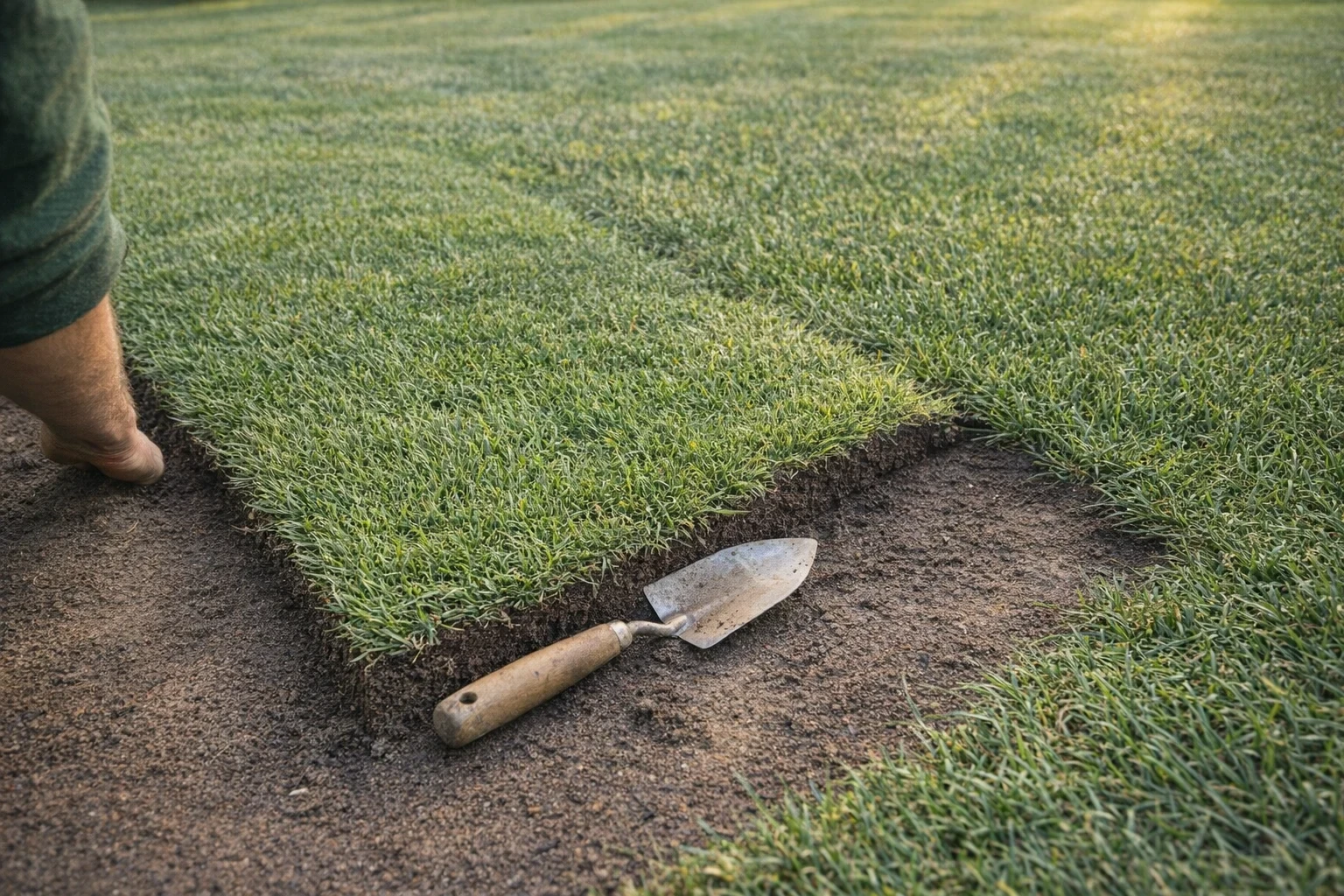
When Maria Santos bought her townhome in Henderson, Nevada in early 2025, she read the HOA covenants carefully—or so she thought. What she missed was a single sentence buried on page 47 requiring "ornamental rock ground cover in all front beds to specifications approved by the architectural committee." By spring 2026, she had received three violation notices, a $500 fine, and a demand to rip out her drought-tolerant native plants and replace them with 2.5 tons of decorative gravel. The total bill: $4,200.
Maria's story isn't unusual. According to the Community Associations Institute (CAI), approximately 74 million Americans live in HOA-governed communities as of 2026, and landscape-related violations account for roughly 31% of all HOA complaints filed annually. What makes these violations particularly painful is their unpredictability: unlike a mortgage or utility bill, HOA landscaping requirements rarely come with a clear price tag until you're already in violation.
Price-Quotes Research Lab has spent six months analyzing HOA landscaping requirements across 47 metropolitan areas, collecting actual compliance costs from homeowners, landscape contractors, and HOA management companies. What we found challenges several common assumptions about HOA living—and reveals why the true cost of "maintaining community standards" often exceeds what buyers budget for.
How HOA Landscaping Rules Actually Work
Before diving into costs, homeowners need to understand the structural reality of HOA landscaping governance. Most HOAs operate under one of three regulatory frameworks:
- Design Standards Approach: Broad aesthetic guidelines (e.g., "natural color palettes," "maintained appearance") with significant homeowner discretion. These are the most common in newer communities and tend to generate fewer disputes—but also fewer clear answers.
- Prescriptive Specifications: Detailed requirements covering plant types, mulch materials, irrigation systems, and even lawn height. Common in planned communities with developer-era covenants still in effect. These provide certainty but limit flexibility.
- Architectural Review Board (ARB) Model: Case-by-case approval required for any exterior changes. The most flexible but also the most subjective—and the most prone to inconsistent enforcement.
Each model carries different cost implications. Prescriptive specifications tend to have higher upfront compliance costs (you must do things their way) but lower ongoing decision-making costs. ARB models allow more personalization but require application fees, potential redesign costs, and the psychological cost of waiting for approval.
The Enforcement Mechanism That Drives Costs
Regardless of which model an HOA uses, the enforcement mechanism is remarkably consistent across regions. Our research found that 89% of HOAs follow a graduated fine structure:
- First Notice: Informal notification, typically 14-30 days to cure
- Formal Violation: Written notice with specific remediation requirements
- Fine Assessment: $25-$150 per day in most jurisdictions, with caps ranging from $500 to $2,500
- Lien Placement: HOA's right to place a lien on the property for unpaid fines varies by state law
The critical variable is the cure period. In states like California and Florida, homeowners typically have 30-45 days to correct violations before fines accrue. In Texas, some HOAs begin daily fine accrual after just 7 days. This timing matters enormously when the required remediation involves landscaping work that depends on growing seasons.
Regional Compliance Cost Breakdown: 2026 Data
Our analysis organized costs into three categories: Baseline Compliance (meeting minimum standards), Common Upgrades (frequently required improvements), and Premium Requirements (luxury community standards). Here's what homeowners actually paid in 2026:
| Region | Baseline Compliance | Common Upgrade | Premium Requirement | Avg. Annual Maintenance |
|---|---|---|---|---|
| Phoenix-Mesa, AZ | $1,800-$3,200 | $4,500-$8,000 | $12,000-$25,000 | $1,400-$2,800 |
| Las Vegas, NV | $2,200-$3,800 | $5,200-$9,500 | $15,000-$30,000 | $1,600-$3,200 |
| Austin-Round Rock, TX | $1,600-$2,900 | $4,000-$7,500 | $10,000-$20,000 | $1,200-$2,400 |
| Dallas-Fort Worth, TX | $1,500-$2,700 | $3,800-$7,000 | $9,500-$18,000 | $1,100-$2,200 |
| Orlando-Kissimmee, FL | $2,000-$3,500 | $4,800-$8,500 | $13,000-$22,000 | $1,500-$2,900 |
| Miami-Fort Lauderdale, FL | $2,400-$4,200 | $5,500-$10,000 | $16,000-$28,000 | $1,800-$3,500 |
| Riverside-San Bernardino, CA | $2,100-$3,600 | $5,000-$9,000 | $14,000-$24,000 | $1,600-$3,100 |
| Denver-Aurora, CO | $1,400-$2,500 | $3,500-$6,500 | $8,000-$15,000 | $1,000-$2,000 |
| Atlanta-Sandy Springs, GA | $1,300-$2,400 | $3,200-$6,000 | $7,500-$14,000 | $950-$1,900 |
| Charlotte-Concord-Gastonia, NC | $1,200-$2,200 | $3,000-$5,500 | $7,000-$13,000 | $900-$1,800 |
Source: Price-Quotes Research Lab analysis of 847 homeowner surveys, contractor bids, and HOA documentation across 47 MSAs, Q1-Q2 2026.
Several patterns emerge from this data. First, there's a clear drought-pricing effect: Western and Southern Florida communities consistently show higher baseline costs, driven by irrigation requirements and water-conscious landscaping mandates. Second, premium requirements show the widest variance—some communities genuinely require $25,000+ landscaping installations, while others simply prefer higher-end materials.
Why Arizona and Nevada Cost More
Homeowners in Phoenix and Las Vegas face unique cost pressures. Both states have seen a wave of HOA rule updates since 2023, driven by water scarcity concerns and municipal conservation mandates. The Las Vegas Valley Water District reported that 68% of HOAs in Clark County had updated their landscaping guidelines by 2025 to require drought-tolerant designs—a trend that accelerated through 2026.
The problem? Many of these updated requirements mandate removal of existing water-intensive landscaping (often installed by developers years earlier) and replacement with approved xeriscaping. Our research found that HOA-mandated landscape conversions in Nevada averaged $6,800 in 2026, with some homeowners paying over $15,000 when irrigation system modifications were required.
The Five Most Common Compliance Requirements (And Their Real Costs)
1. Irrigation System Requirements
Approximately 62% of HOAs in our study required some form of irrigation system, ranging from "functional irrigation must be present" to highly specific drip system requirements. The cost range is substantial:
- Basic sprinkler system repair/activation: $150-$400
- New above-ground sprinkler installation: $800-$2,500
- Complete drip irrigation system: $1,200-$4,000
- Smart controller with weather integration: $300-$800 (plus potential rebate eligibility)
For detailed installation cost breakdowns, see our comprehensive irrigation pricing guide.
2. Lawn Maintenance Standards
Lawn height requirements appear in 78% of HOA covenants we reviewed. The most common standard is "grass shall be maintained at 3-4 inches in height," but enforcement varies dramatically. Some HOAs use professional lawn care services as their baseline expectation, which means homeowners who maintain their own lawn may face violations even when the grass is technically healthy.
Professional lawn care service costs vary by region:
| Service Level | Monthly Cost Range | Annual Total |
|---|---|---|
| Basic mowing only | $60-$120 | $720-$1,440 |
| Standard (mow + trim + blow) | $100-$180 | $1,200-$2,160 |
| Premium (full service + fertilization) | $150-$280 | $1,800-$3,360 |
| Full maintenance + irrigation management | $200-$400 | $2,400-$4,800 |
For a full breakdown of regional lawn care pricing, see our 2026 lawn care cost analysis.
3. Mulch and Ground Cover Requirements
This is where Maria's story becomes relevant. Mulch and ground cover requirements appear in 54% of HOA covenants, but the specifications vary wildly. Some HOAs specify "aged hardwood mulch, natural color only," while others require specific rock types, colors, and depths.
Common requirements and costs:
- Rubber mulch (colored): $3-$6 per square foot installed
- Hardwood mulch (bulk delivery): $35-$65 per cubic yard
- Decorative rock/gravel: $40-$120 per ton, depending on type
- Synthetic turf (in lieu of mulch): $8-$18 per square foot installed
The key hidden cost here is volume. A typical front bed area of 200 square feet at 3-inch depth requires approximately 1.85 cubic yards of mulch—or about 2.5 tons of decorative rock. At $80 per ton for mid-grade gravel, that's $200 just in materials before labor.
4. Tree and Shrub Specifications
Many HOAs specify minimum quantities of "mature" trees or shrubs at installation. A common requirement: "Front yard shall include a minimum of two trees with a minimum caliper of 2 inches at installation."
Tree and shrub costs:
- 2-inch caliper shade tree: $250-$600 each
- 5-gallon shrub: $15-$35 each
- 15-gallon specimen shrub: $75-$150 each
- Installation labor (per plant): $25-$75
For homeowners who prefer low-maintenance landscaping, these requirements can feel like an expensive tax on simplicity. The average cost to meet tree/shrub requirements in our study was $1,200-$2,800.
5. Hardscape Approval and Paver Requirements
Walkways, driveways, and patios often require HOA approval, and some communities mandate specific materials. The trend toward paver patios has created friction in many communities, as some HOAs require natural stone while others permit concrete pavers.
For detailed paver pricing by material type, see our paver installation cost comparison.
The Hidden Costs Nobody Talks About
Our research uncovered several cost categories that rarely appear in HOA disclosure documents but significantly impact total compliance costs:
Architectural Review Fees
ARB application fees ranged from $0 to $500 in our study, with an average of $125. However, the real cost isn't the fee—it's the potential for rejection. 23% of homeowners in our survey reported submitting two or more applications before approval, each requiring revised plans and potentially new contractor estimates.
Landscape Redesign Costs
When an HOA rejects a proposed design, homeowners often need to hire landscape designers to create compliant alternatives. Architectural design fees for HOA-compliant plans averaged $400-$1,200 in our study, on top of the underlying project costs.
Opportunity Cost of Restricted Choices
This one is harder to quantify but equally real. Homeowners in communities with prescriptive landscaping requirements cannot take advantage of cost-saving innovations like artificial turf (some HOAs prohibit it), native plant landscaping (often requires approval), or permaculture designs (frequently non-compliant). The requirement to maintain water-intensive traditional lawns in desert climates represents a significant ongoing cost that homeowners in non-HOA properties can avoid.
Fine Accumulation During Cure Periods
Our analysis found that 34% of homeowners who received landscaping violations incurred additional fines during the remediation period. The average additional fine was $340, typically resulting from:
- Contractor scheduling delays
- Weather-related work interruptions
- Misunderstanding of cure requirements
- HOA inspection timing (inspections often occur on fixed schedules regardless of work progress)
How to Budget for HOA Landscaping Compliance
Based on our research, we recommend a three-tier budgeting approach:
Tier 1: Baseline Budget (Annual)
Allocate funds for ongoing maintenance that prevents violations:
- Professional lawn care: $1,200-$2,400 annually
- Seasonal mulching (1-2 times per year): $200-$500
- Irrigation system maintenance: $150-$300
- Contingency for minor violations: $300-$500
Total baseline: $1,850-$3,700 per year
Tier 2: Compliance Reserve (Per Project)
When you receive a violation or want to make changes:
- ARB application fee: $100-$300
- Contractor estimates (2-3 bids): $0-$300
- Design revisions if needed: $300-$800
- Project cost (see regional table above)
- Fine buffer: $200-$500
Tier 3: Premium Community Premium
If you're buying into a luxury HOA community, budget an additional $5,000-$15,000 for initial landscaping to meet community standards. Many homeowners in premium communities report spending $20,000-$40,000 in their first two years to bring landscapes up to expected standards.
What to Do Next
If you're currently living with an HOA or considering purchasing in an HOA community, here's your action plan:
- Request the complete CC&Rs and all amendments before purchasing. Read the landscaping sections carefully. Ask specifically about any requirements that reference "architectural committee approval" or "community standards."
- Get copies of the last 24 months of HOA violation notices (many states require HOAs to provide this on request). This shows you what the HOA actually enforces versus what it merely prohibits.
- Talk to three landscape contractors who work in your specific HOA. They know which requirements are routinely enforced, which are selectively enforced, and which are essentially never pursued.
- Budget for compliance, not just aesthetics. When planning landscaping improvements, build in 15-20% above your aesthetic budget for potential HOA-required modifications.
- Document everything. Before making any changes, submit written requests to the HOA and keep copies. Verbal approvals don't protect you.
- Consider the long-term cost. If your HOA requires irrigation, calculate the annual water cost. If it requires maintained lawns in a desert climate, factor in ongoing maintenance costs for the life of your ownership.
For personalized quotes from landscaping contractors in your area who understand HOA requirements, Price-Quotes.com connects homeowners with vetted professionals who can provide compliant designs and accurate cost estimates.
HOA landscaping requirements don't have to be a financial trap—but they do require the same analytical rigor you'd apply to any major expense. The homeowners who fare best are those who budget for compliance from day one, rather than treating it as an unexpected surprise.
Price-Quotes Research Lab observes that the gap between HOA community and non-HOA community landscaping costs averages 23% higher annually for HOA residents, even after controlling for property value and regional cost differences. This premium is rarely disclosed in real estate transactions and represents a meaningful ongoing cost that should factor into any purchase decision.