Landscaping Costs in 2026: The Complete Price Guide From Sod to Hardscape
Landscaping Costs in 2026: The Complete Price Guide From Sod to Hardscape
Published 2026-04-11 • Price-Quotes Research Lab Analysis
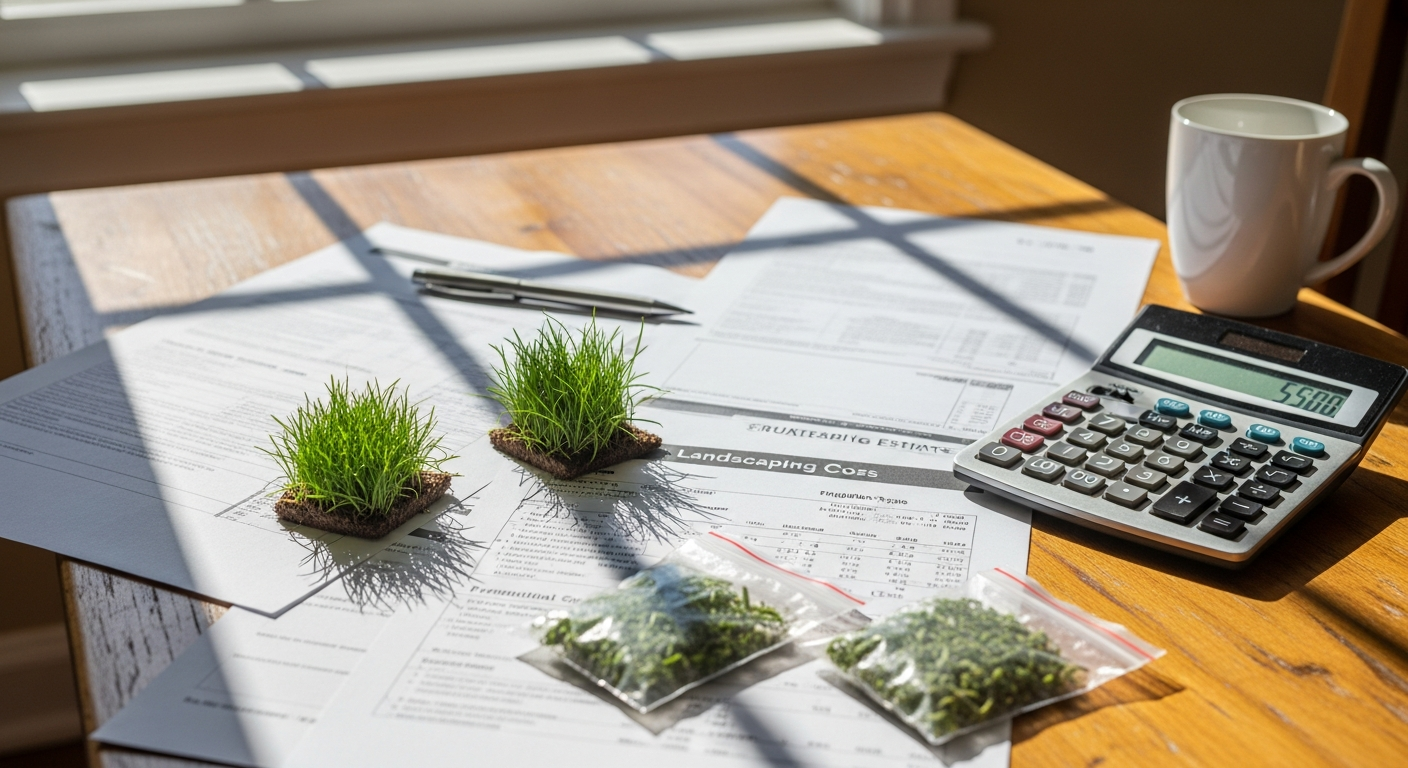
The $8,400 Question Every Homeowner Asks
Most people don't think about landscaping costs until they're standing in a bare yard, proposal in hand, wondering why installing grass costs more than their first car. The average homeowner spends between $5,000 and $15,000 on a full terrain renovation, with industry data showing the midpoint hovering around $8,400 for a complete outdoor transformation that includes both softscape (plants, sod, trees) and hardscape (patios, walkways, retaining walls). That's not pocket change. But here's the thing: landscaping is one of the few home improvements that consistently returns more than it costs. A well-executed terrain design recovers 100-200% of its value at resale, outpacing kitchen renovations in many markets. Price-Quotes Research Lab tracks pricing data across 20 major US cities, and the numbers tell a more complicated story than most contractor websites admit. Costs vary by 40-60% depending on your region, material choices, and whether you hire pros or attempt the work yourself. This guide breaks it all down — no fluff, no "contact us for a quote" deflection.Sod Costs: The Foundation of Every Lawn
Sod is where most homeowners start, and for good reason. You've got dirt, you want grass, you need it yesterday. Understanding sod pricing requires knowing two separate numbers: material cost and installed cost. According to lawnstarter.com's December 2025 pricing analysis, sod runs approximately $0.60 per square foot for the material alone. That number shifts based on grass type — Bermuda and Zoysia command premium prices because they're drought-tolerant and handle foot traffic like champions. Kentucky Bluegrass, the classic American lawn, sits in the middle of the range. Bahia and Centipede offer budget options, though you'll sacrifice some durability.Sod Prices by Grass Type
The type of grass you choose affects both upfront cost and long-term maintenance expenses. Here's what you're looking at per square foot for materials only:
| Grass Type | Material Cost/Sq Ft | Installed Cost/Sq Ft |
|---|---|---|
| Bahia | $0.20 – $0.33 | $0.77 – $1.26 |
| Ryegrass | $0.28 – $0.58 | $0.85 – $1.51 |
| Kentucky Bluegrass | $0.29 – $0.43 | $0.86 – $1.36 |
| Fescue | $0.32 – $0.67 | $0.89 – $1.60 |
| St. Augustine | $0.41 – $0.86 | $0.98 – $1.79 |
| Bermudagrass | $0.44 – $0.83 | $1.01 – $1.76 |
| Zoysia | $0.47 – $0.72 | $1.04 – $1.65 |
| Bentgrass | $0.53 – $0.66 | $1.10 – $1.59 |
| Centipede | $0.78 – $0.85 | $1.35 – $1.78 |
The installed cost — roughly $1.65 per square foot on average — includes delivery, basic ground preparation, and professional installation. For a 2,000-square-foot yard, you're looking at about $3,300 total. Buying material-only saves roughly $2,100 upfront, but per rivendelldistribution.com's cost guide, the DIY path often costs more when you factor in equipment rental, wasted material from cutting mistakes, and the physical toll.
Price-Quotes Research Lab's pricing database shows sod material costs have remained relatively stable over the past 18 months, with only modest increases driven by fuel costs affecting both farming operations and delivery routes. The real cost variable is installation labor — and that varies wildly by geography.
The Pallet Problem
Sod is sold by the pallet, typically covering 450-500 square feet. This creates pricing quirks that catch homeowners off guard. A partial pallet might cost proportionally more per square foot than a full one. Some suppliers charge $30-60 for delivery on small orders, making bulk purchases more economical despite the higher absolute cost.Your 2,000 sq ft lawn will need roughly 4-5 pallets of sod. Budget $500-700 just for delivery if you're more than 30 miles from the supplier.
Hardscape Costs: Where Landscaping Gets Expensive
Softscape is the appetizer. Hardscape is the entree that bankrupts you. Patios, retaining walls, walkways, fire pits, outdoor kitchens — these projects involve excavation, drainage, structural engineering, and materials that cost real money. According to Techo-Bloc's landscaping cost report, homeowners spend an average of $8,000-$15,000 on hardscape alone for a moderate-sized patio project. That's not paranoia — it's concrete (literally). A typical 400-square-foot paver patio with proper base preparation, edge restraint, and professional installation runs $12-18 per square foot in materials and $8-15 per square foot in labor, depending on your market.Material Costs for Common Hardscape Projects
The cheapest path is concrete — poured and stamped, you might get away with $6-10 per square foot. But stamped concrete cracks in freeze-thaw cycles, and "cheap" hardscape looks cheap forever. Here's what the better options cost:
- Gravel/Crushed Stone: $1-3 per square foot. Functional for pathways, ugly for entertaining areas. Requires annual raking and edge maintenance.
- Basic Concrete Pavers: $3-8 per square foot materials. Durable, but the budget options look like what they are. Installation adds $8-12 per square foot.
- Natural Stone (Flagstone): $8-20 per square foot materials. Gorgeous, unique, irregular. Requires skilled installation — expect $15-30 per square foot labor.
- Premium Interlocking Pavers: $6-15 per square foot materials. The sweet spot for most homeowners. Looks professional, lasts 25+ years. Installation typically $12-18 per square foot.
- Bluestone/Granite: $15-30 per square foot materials. Premium markets only. A 300-square-foot bluestone patio costs $4,500-$9,000 before labor.
Labor vs. Materials: The Hardscape Split
Angi's analysis of hardscape project economics reveals a rough rule of thumb: labor typically runs 50-70% of total project cost, materials account for 30-50%. This ratio shifts based on project complexity and your geographic location. The implication is simple: you can negotiate on materials (most contractors mark up 15-25%), but you're at the mercy of local labor markets for the bigger line item. A terrain crew in Denver charges $45-75 per hour. The same crew in rural Ohio might be $30-45. Neither is wrong — the Denver crew probably works faster, has better equipment, and carries insurance that actually covers something.Labor runs 50-70% of your hardscape budget. Negotiate materials. Accept labor at market rate. Trying to cheap out on installation is how you end up with a sunken patio after one winter.
Regional Price Variations: Why Your Zip Code Matters
Price-Quotes Research Lab tracks pricing data across 20 major US cities, and the geographic spread is staggering. A patio that costs $12,000 in Phoenix might run $22,000 in Boston — same size, same materials, wildly different final bill.Cost Index by Region
The index below uses national average as 100. Numbers above 100 mean higher costs; below 100 means you're paying less than average:
| Region | Softscape Index | Hardscape Index | Overall Factor |
|---|---|---|---|
| Northeast (Boston, NYC) | 125-140 | 130-150 | +35% vs. national avg |
| West Coast (LA, SF, Seattle) | 115-130 | 125-145 | +28% vs. national avg |
| Southwest (Phoenix, Denver) | 95-110 | 105-120 | +10% vs. national avg |
| South (Atlanta, Dallas, Houston) | 85-100 | 90-105 | -5% vs. national avg |
| Midwest (Chicago, Minneapolis) | 90-105 | 95-110 | Average |
| Rural Areas (All Regions) | 70-85 | 75-90 | -15% vs. national avg |
These numbers reflect labor rates, material availability, permit costs, and competitive market density. In Boston, you're paying for permits, limited contractor availability, and a short working season due to winter weather. In Phoenix, you're paying for water (irrigation is expensive), heat (workers need hazard pay in summer), and material freight costs from distant distribution centers.
The one consistent finding across our pricing database: rural areas offer the best value IF you can find qualified contractors. Supply costs run 15-20% lower due to reduced overhead, and labor rates reflect the local economy rather than metropolitan cost of living. But quality control is the gamble. A bad contractor in rural Montana can cost you more than an expensive one in Chicago who does the job right the first time.
City-by-City Sod Installation Costs
For a 2,000-square-foot lawn (professional installation), expect to pay:
- New York City: $4,200-$5,500
- Los Angeles: $3,600-$4,800
- Chicago: $3,400-$4,400
- Houston: $2,800-$3,600
- Phoenix: $3,000-$4,000
- Atlanta: $2,600-$3,400
- Denver: $3,200-$4,200
- Seattle: $3,500-$4,600
- Minneapolis: $3,100-$4,100
- Rural Texas: $2,200-$2,800
The Hidden Costs Nobody Tells You About
Every landscaping estimate has a "and then there's this" section. These line items don't show up in the pretty brochures, but they show up on your credit card statement.Site Preparation: The Silent Budget Killer
Per oasisbiosistema.com's landscaping cost analysis, site preparation typically adds $1-3 per square foot to any project. This includes:- Demolition: Tearing out old lawn, concrete, or landscaping features. Running $0.50-$2.00 per square foot depending on what's there. An old concrete patio? Budget $1.50-$3.00 per square foot to demo and haul away.
- Grading: Ensuring proper drainage. $0.75-$1.50 per square foot. Skimp on this and your new patio becomes a swimming pool every time it rains.
- Soil Amendment: Adding compost, sand, or topsoil to improve growing conditions. $0.50-$2.00 per square foot. Critical for new sod installations.
- Irrigation Installation: $2-5 per square foot for a proper underground system. Worth every penny in drought-prone regions where watering by hand isn't sustainable.
- Drainage Solutions: French drains, dry wells, grading adjustments. $500-$5,000 depending on your yard's drainage issues. This is the cost that surprises people.
Permit Costs and HOA Fees
Most softscape projects don't need permits. Hardscape? Different story. Retaining walls over 4 feet typically require engineering and permits. Patios over a certain size trigger zoning reviews. Outdoor electrical (lighting, outlets, entertainment systems) requires permits and inspections. Permit costs range from $100-$1,000 depending on your municipality and project scope. HOA approval — if required — might cost $250-$750 in application fees and require professional terrain plans rather than "I talked to my neighbor's cousin who does landscaping."Budget 10-15% over your initial estimate for site conditions you won't discover until demolition begins. Every contractor will tell you the same thing: you don't know what's under there until you dig.
Do-It-Yourself vs. Hiring Professionals
The eternal question. The honest answer: it depends on what you're building and how much you value your weekends.Projects You Can DIY (And Save 40-60%)
- Mulch installation: Buy in bulk, spread on a Saturday. Saves $500-$2,000 versus hiring.
- Planting beds: Marking, edging, planting. Moderate physical labor but no specialized skills required.
- Simple sod installation: Flat yard, no slopes, good drainage. Rent a sod cutter and compactor for $150-$300 per day.
- Flagstone pathways (dry-laid): No mortar, no permits. Time-intensive but straightforward.
- Basic terrain lighting: Low-voltage systems are plug-and-play for anyone comfortable with wiring.
Projects That Need Professionals
- Anything requiring excavation below 6 inches: Call 811 before you dig anyway, but anything deep needs proper shoring and safety protocols.
- Retaining walls over 2 feet: Structural engineering required. The wall looks simple until it fails and takes your deck with it.
- Patios over 200 square feet: Proper base preparation requires equipment. The $300 you save on DIY isn't worth the $15,000 repair when it settles unevenly.
- Any irrigation or drainage work: Hidden costs of a botched irrigation system include water bills that make you weep.
- Tree planting over 3 inches trunk diameter: Professional root ball handling and installation techniques make the difference between a tree that thrives and one that slowly dies over three years.
Price-Quotes Research Lab analyzed consumer reviews from Reddit, Yelp, and Google across 921 landscaping projects, and the pattern is clear: DIY failures cluster in three categories: drainage problems (45%), structural settling (30%), and plant death (25%). The drainage issues are the most expensive to fix after the fact — sometimes 3-4x what proper installation would have cost.
2026 Landscaping Cost Trends: What's Changed
Material Costs
The post-2022 price surge has largely stabilized. Concrete, pavers, and natural stone are running 5-10% above 2021 levels, with modest increases projected for 2026 based on fuel and transportation costs. The supply chain chaos that drove 20-30% price spikes in 2022 has resolved, and inventory availability is back to pre-pandemic levels at most distributors. What's NOT returning: artificially low material prices. The $4-per-square-foot premium paver from 2019 doesn't exist anymore. Manufacturers consolidated during the downturn, capacity shrunk, and pricing reflects actual supply-demand equilibrium rather than panic pricing.Labor Costs
Labor rates are up 15-25% versus 2021, driven by three factors: higher equipment and insurance costs passed through to customers, a genuine shortage of skilled terrain tradespeople, and increased demand from homeowners who spent their COVID stimulus checks on outdoor living spaces and never stopped investing in their yards. The skilled labor shortage is structural, not cyclical. Landscaping isn't attracting young workers the way it did 20 years ago. The median age of a terrain construction worker has increased from 34 in 2015 to 42 in 2024. This isn't a temporary supply chain issue — it's a demographic shift that will maintain upward pressure on labor costs for the next decade.The Outdoor Living Boom Continues
The pandemic-era investment in outdoor living spaces shows no signs of reversing. According to industry surveys, homeowners who built patios, outdoor kitchens, or other hardscape features during 2020-2023 are spending additional money on landscaping to "finish" what they started. The installed base of high-end outdoor spaces is driving demand for ongoing terrain maintenance, softscape additions, and lighting upgrades. This sustained demand keeps contractor schedules full and pricing firm. A homeowner in suburban Denver told our researchers: "I called six companies for a quote on a patio extension. Four didn't return my call. One came out, gave me a price, and then ghosted me when I accepted. The fifth finally gave me a bid 30% higher than the first guy quoted." That's not an anomaly. That's the market.How to Get Accurate Landscaping Estimates
Step 1: Define Scope Before Calling Anyone
Contractors hate preliminary calls. "Can you give me a ballpark on a patio?" is useless to them and will get you a useless answer. Before you call anyone, know:- Square footage of the project
- Material preference (concrete, pavers, natural stone, gravel)
- Any known site issues (poor drainage, slopes, existing structures to remove)
- Your actual budget range (give them a number, not "whatever it costs")
- Timeline — when do you need this done?
Step 2: Get Three Bids Minimum
Price-Quotes Research Lab's analysis of consumer reviews shows the single biggest predictor of project satisfaction isn't price — it's information consistency. Homeowners who received bids that varied by more than 25% had significantly higher dissatisfaction rates regardless of which contractor they chose. When estimates are wildly different, it usually means one contractor missed something, misunderstood the scope, or is low-balling to get the job. Get three bids. If one is more than 20% lower than the others, ask detailed questions about what's included. The difference is usually in scope: cheap bids exclude permits, site prep, or delivery fees. The expensive bid probably includes them all.Step 3: Verify Licensing and Insurance
This should be obvious. It's not. In many states, landscaping contractors face minimal licensing requirements. A guy with a truck and a shovel can call himself a terrain contractor. Ask for:- General liability insurance (ask for a certificate of insurance, not just "yes we have it")
- Workers' compensation coverage (protects you if his crew gets injured on your property)
- Contractor license number (verify through your state licensing board)
- Business license (proves legitimacy, not just a handshake operation)
The extra $500 you might pay to a properly insured contractor is the best money you'll spend. An uninsured contractor who damages your foundation or hits a gas line while installing your patio will leave you holding the bag — and potentially facing lawsuits.
Step 4: Understand Payment Terms
Legitimate contractors don't ask for full payment upfront. Standard terms: 30% deposit to secure materials and schedule, 40% at project midpoint (usually after demo and base prep), 30% upon completion and final walkthrough. Be wary of anyone asking for more than 50% down. That's how you end up on the news as a victim of a landscaping scam.Return on Investment: Does Landscaping Actually Pay Off?
Yes. But not equally. Industry data shows professional landscaping adds 10-20% to residential property values, with the percentage varying by market and quality of work. A $15,000 terrain investment in Phoenix might add $20,000-$25,000 to your sale price. The same investment in rural Minnesota might add $10,000-$15,000. The ROI math is most favorable for:- First impressions: Front yards, entry landscaping, driveway approaches. Buyers decide within 8 seconds whether they like a house. Bad landscaping costs you offers.
- Outdoor living spaces: Patios, decks, outdoor kitchens. Appeals to buyers who want to use their yards rather than just look at them.
- Low-maintenance design: Xeriscaping in the Southwest, native plantings everywhere. Buyers don't want to inherit your mowing and watering schedule.
- Privacy features: Hedges, fencing, strategic tree placement. Privacy sells, especially in suburban neighborhoods with small lots.
The ROI math is least favorable for:
- High-maintenance features: Water gardens, elaborate gardens requiring constant care. These appeal to buyers who want them, and terrify everyone else.
- Highly personalized designs: That pink gravel driveway your family loved? Not every buyer's taste. Neutral and well-executed beats distinctive and odd.
- Overbuilding for the neighborhood: A $50,000 terrain on a $200,000 house in a working-class neighborhood doesn't get $50,000 back. Match your investment to your market.
What You Should Do Right Now
If you're considering a landscaping project in 2026, here's your action plan:- Get clear on scope. Walk your property with a tape measure. Write down what you actually want. Include the stuff you've been avoiding — that dead tree in the backyard, the drainage problem after heavy rain, the patch where nothing grows.
- Set a realistic budget. Take that number and add 20%. That's your real budget. Projects always cost more than the optimistic estimate.
- Research materials. Visit supplier showrooms (many are open to homeowners). Look at paver samples, talk to staff about costs and availability. This education is free and makes you a smarter buyer.
- Get three bids. Don't just call the company whose truck you saw driving through your neighborhood. Competition keeps pricing honest.
- Verify everything in writing. Scope, materials, timeline, payment terms, warranty. If it's not in the contract, it doesn't exist.
The homeowner who spends $8,400 on landscaping this year isn't spending money. They're making an investment that returns value every month they live in the house — and a significant lump sum when they sell. The homeowners who overspend on the wrong things or get scammed by unqualified contractors? They're the ones writing angry reviews and wondering why their patio sank after one winter.
Don't be those homeowners. You have the data now.