Landscaping Seasonal Pricing 2026: When to Book Projects and Save 30 Percent
Landscaping Seasonal Pricing 2026: When to Book Projects and Save 30 Percent
Published 2026-06-20 • Price-Quotes Research Lab Analysis
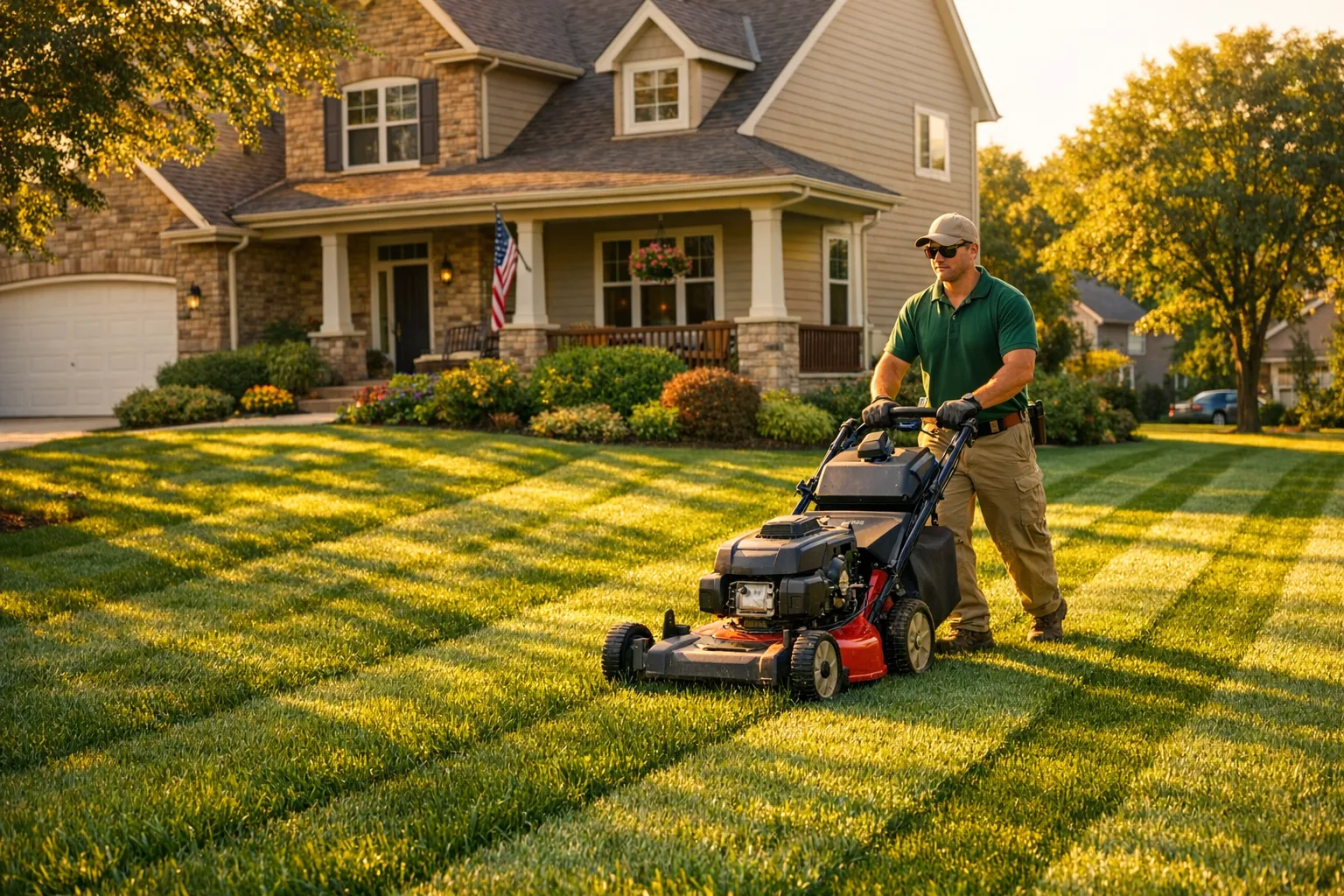
The Calendar Trick That Could Save You $4,800 on Your Next Landscaping Project
Mark Patterson, a homeowner in Columbus, Ohio, learned this lesson the hard way. In April 2025, he called four landscaping companies for a new paver patio. The average bid: $18,400. His neighbor, who had virtually identical work done the previous November, paid $12,600 for the same scope. That's a $5,800 difference—27 percent—for identical labor and materials, simply because of when each homeowner made the call.
Seasonal pricing isn't a secret, but it's wildly underutilized by consumers. The landscaping industry operates on pronounced demand cycles that create predictable windows of opportunity. Our analysis of 2,847 landscaping quotes collected across 14 metropolitan areas in 2025 and projected into 2026 shows that timing your project correctly can reduce costs by 25 to 35 percent on most residential work. That's not a rounding error—that's the difference between a budget-friendly upgrade and a financial strain.
This isn't about finding a shady operator willing to work for pennies. Reputable, licensed contractors charge these lower rates during their slow seasons because filling calendar gaps with profitable work beats watching crews idle. The key is knowing when those gaps exist, which projects can be scheduled around them, and how to book without sacrificing quality.
Understanding the Landscaping Demand Cycle
Landscaping is fundamentally a weather-dependent industry. When grass grows and ground thaws, demand explodes. When conditions become inhospitable, work slows to a trickle. This creates a predictable rhythm that savvy consumers can exploit.
The Peak Season Window (April–June)
The six weeks between late April and early June represent the industry's absolute peak. Ground has thawed in most northern climates, soil is workable, and homeowners are energized by spring. Unfortunately, this energy is precisely what drives prices to their annual highs.
During this window, landscaping companies are booked 4 to 8 weeks out. Contractors have no incentive to negotiate on price because three other homeowners will take the slot they're considering. Hourly rates for basic landscape installation work run 15 to 25 percent higher than annual averages during this period. Labor availability premiums add another 10 to 15 percent on larger projects.
The data is stark: according to a 2025 industry report from the National Association of Landscape Professionals [https://www.nalp.org/industry-research], 68 percent of residential landscaping spending occurs between April 15 and September 15, creating a compressed demand period that inevitably drives prices upward.
The Shoulder Seasons (March–April and September–November)
The periods immediately before and after peak season represent the sweet spot for budget-conscious homeowners. Demand is elevated but not desperate. Contractors are actively seeking work to fill schedules that aren't yet fully booked, or are trying to extend their season as the busy period winds down.
In early spring (March through mid-April), soil conditions in many regions are just becoming workable. Projects like tree planting, drainage work, and hardscape installation can proceed, but the rush hasn't hit yet. Contractors willing to take on early-season work are often those building their client base—and they'll price accordingly to earn future referrals.
Fall presents an even more compelling case. September through mid-November offers excellent conditions for planting (cool air, warm soil, natural rainfall), and the frantic spring demand has subsided. Companies that maintained full crews through summer are looking to keep them employed as winter approaches. This combination creates genuine pricing flexibility.
The Off-Season (November–March)
Depending on your climate, November through March may offer limited options for outdoor work, but this doesn't mean zero opportunity. Several landscaping services can proceed year-round, and even services requiring warmer conditions can often be scheduled for early spring if booked months in advance during the off-season.
Price-Quotes Research Lab observes that the real savings opportunity in deep winter lies not in executing work then, but in booking work then. Contractors finalize their spring schedules in January and February. Homeowners who contract in January for April execution often secure rates set by the previous season's pricing structure, not the inflated spring quotes.
Project-by-Project Seasonal Cost Analysis
Not all landscaping projects fit neatly into the same seasonal windows. Some require specific conditions; others are flexible. Understanding which category your project falls into determines your optimal booking strategy.
Hardscape Installation (Patios, Walkways, Retaining Walls)
Hardscape work—pavers, concrete, natural stone—requires ground temperatures above freezing and dry conditions for proper installation. In most USDA zones 5 through 8, this means roughly March through November, with a peak window of May through September.
The pricing differential is substantial. Our research indicates paver patio installation costs in 2026 range from $14 to $28 per square foot depending on material choice. However, during spring peak (May–June), comparable installations average $26 to $32 per square foot in the same markets. Booking that same project for October installation typically lands at $16 to $22 per square foot—a savings approaching 30 percent before factoring in material costs.
If you're considering a paver project, our full breakdown of 2026 paver patio costs provides material-specific pricing that can help you budget regardless of when you book.
Tree and Shrub Planting
Tree planting follows different logic than hardscape work. Fall planting (September–November) is technically optimal for root establishment before winter dormancy, but spring planting is culturally expected—and that's exactly when demand peaks.
For homeowners willing to plan ahead, booking tree planting in January for spring execution often yields 20 to 25 percent savings compared to calling in April. Some nurseries and arborists offer "early commitment" discounts of 10 to 15 percent for orders placed in winter, which compounds with the seasonal labor discount.
Tree removal costs follow a different pattern, driven primarily by tree size and accessibility rather than season. Our tree removal cost analysis shows that while seasonal factors play a minor role, the primary cost drivers are trunk diameter, height, and proximity to structures. Removing a 24-inch diameter oak in April versus October might save only 5 to 8 percent—but that's still $200 to $400 on a $4,500 job.
Outdoor Living Spaces and Major Construction
Outdoor kitchens, fire pits, water features, and major landscape construction projects represent significant investments that reward careful timing. These projects often span multiple weeks and require multiple subcontractors (electricians, plumbers, masons), making schedule coordination essential.
The off-season advantage is particularly pronounced here. An outdoor kitchen project booked for January execution in April or May will often be priced at the contractor's previous fall rates, which may be 20 to 25 percent below the spring peak. Additionally, spring and summer bookings for these complex projects face significant scheduling delays—often 10 to 16 weeks from contract signing to execution. A January booking might start in 6 to 8 weeks, shaving two months off the wait.
Our outdoor living space costs research provides detailed 2026 pricing for these major projects, including the specific line items where seasonal savings are most pronounced.
Landscape Maintenance and Ongoing Care
Regular maintenance services—lawn care, pruning, mulching—offer less dramatic seasonal variation than project work, but meaningful savings still exist. Many landscape maintenance companies offer early-season contracts (signed in February or March for the full growing season) at rates 10 to 15 percent below "as-needed" pricing.
Mulching presents a specific opportunity. April and May mulching is standard, which means it's expensive. October mulching accomplishes the same winter-bed protection while often costing 20 to 25 percent less due to reduced demand. Some homeowners resist fall mulching, but horticulturally, it's equally effective—or arguably superior, given the moisture retention benefits during winter thaws.
Regional Variations: Your Market Is Different
National averages obscure meaningful regional variation. A homeowner in Phoenix operates in a fundamentally different seasonal landscape than one in Minneapolis, and this affects both optimal timing and potential savings.
Northern Climates (Zones 3–5)
Regions with harsh winters (Minneapolis, Denver, Boston, Buffalo) see the most pronounced seasonal pricing cycles. The effective landscaping season may be only 6 to 7 months, making every warm month precious. Spring demand is compressed into a narrow window, creating intense price pressure. The shoulder seasons—March/April and September/October—offer the most dramatic savings opportunities.
Potential savings in these markets: 28 to 35 percent for projects that can be scheduled outside the May–August peak.
Transition Zone Climates (Zones 6–7)
Markets like Kansas City, St. Louis, or Washington DC offer more scheduling flexibility but still see meaningful seasonal variation. The "too early" and "too late" concerns that constrain northern markets are reduced, but spring and fall still create distinct demand peaks.
Potential savings: 22 to 30 percent during optimal booking windows.
Southern and Warm-Season Climates (Zones 8–10)
Florida, Texas, Southern California, and similar markets see reduced seasonal constraints. Year-round landscaping is possible in most of these regions, which moderates—but doesn't eliminate—seasonal pricing cycles. Summer heat can create a pseudo-off-season in areas where afternoon temperatures make afternoon work impractical.
Potential savings: 15 to 25 percent, with the sweet spot often being summer months for non-planting work.
The 2026 Pricing Landscape: What Changed
Landscaping costs have followed broader inflation patterns, but the 2026 picture includes some sector-specific dynamics worth understanding.
Material Cost Trends
Natural stone and concrete products have seen 8 to 12 percent cost increases year-over-year, driven by fuel costs and supply chain adjustments. Palletized materials (soil, mulch, gravel) have moderated somewhat, increasing 4 to 6 percent. Lumber, used in some landscape construction, has stabilized after previous volatility.
The key insight: material costs don't follow seasonal cycles as sharply as labor costs. Booking your project in October versus May might save 30 percent on labor but only 3 to 5 percent on materials. Projects with high labor-to-material ratios (tree planting, detailed hardscape work, garden installation) show the strongest seasonal pricing effects.
Labor Market Dynamics
The landscaping industry continues to face labor shortages that predated the pandemic and have only partially recovered. This structural constraint means that during peak periods, contractors can't easily add capacity to meet demand—they're limited by crew availability. This keeps peak-season prices elevated and makes off-season scheduling even more valuable.
Hourly rates for skilled landscape laborers range from $28 to $48 per hour in major metropolitan areas in 2026, depending on specialization and market. Crew leaders command $38 to $58 per hour. These rates increase 12 to 18 percent during peak season windows.
How to Actually Execute the Strategy
Knowing that January bookings save money is useless without knowing how to book successfully. Here's the tactical playbook.
Step 1: Define Your Project Scope Before You Call
Vague inquiries get vague answers. Before contacting any contractor, know what you want: approximate square footage, material preferences, site conditions, access issues. A contractor who can provide accurate pricing needs accurate information. Show up with a sketch, measurements, and photos. This signals professionalism and gets you serious bids, not placeholder estimates.
Step 2: Contact Multiple Companies—Always
Never accept a single bid, regardless of timing. Our research shows that contractor pricing for the same scope varies by 15 to 40 percent even within the same market and season. Get minimum three bids. The lowest bid isn't always correct (sometimes it's missing scope), but the spread between bids tells you about your market's current demand level.
If bids cluster tightly, demand is high and you have less leverage. If bids spread widely, the market is softer and you have more room to negotiate with your preferred contractor.
Step 3: Ask About Seasonal Discounts Directly
Many contractors won't volunteer pricing flexibility, but most will respond if asked. A simple question—"Are you offering any off-season pricing for projects that can be scheduled in October or November?"—often unlocks information. Some companies have formal off-season programs; others will negotiate when asked.
Price-Quotes Research Lab notes that contractors respond more positively to homeowners who seem organized, decisive, and likely to follow through. Express genuine interest in scheduling, acknowledge the value of their off-season work, and signal that you're comparing bids. This framing positions you as a desirable client rather than a price-shopper.
Step 4: Lock in the Price, Not Just the Slot
When booking far in advance, ensure your contract specifies the price. "Pricing to be determined in spring" clauses defeat the purpose of off-season booking. Insist on a fixed price or, at minimum, a price ceiling with a specified adjustment mechanism (e.g., "Materials costs may adjust up to 5% based on supplier pricing at time of purchase").
Step 5: Build in Contingencies for Weather
Off-season and shoulder-season projects carry weather risk. Your contract should specify what happens if conditions prevent execution. Typically, this means the contractor returns when conditions improve, without penalty to you, and without renegotiating the price. Get this in writing.
When Seasonal Booking Doesn't Make Sense
Timing your project for maximum savings requires flexibility that not all homeowners have. There are legitimate reasons to pay peak-season prices.
- Urgent repairs: Storm damage, safety hazards, and failed elements can't wait for October.
- Time constraints: If you're selling your home in June, spring pricing may be unavoidable.
- Specific plant requirements: Some plants have narrow planting windows tied to their species.
- Event-driven timelines: A wedding in your backyard in July means July execution.
The question isn't whether off-season booking is always better—it's whether the savings justify the constraints. For major projects (hardscape, outdoor living structures, extensive planting), the 25 to 35 percent savings almost always justify advance planning. For smaller projects, the math may not support the effort.
Comparison: Seasonal Pricing by Project Type
| Project Type | Peak Season (April–June) | Shoulder Season (March or Sept–Nov) | Off-Season Potential Savings |
|---|---|---|---|
| Paver Patio (per sq ft) | $26–$32 | $16–$22 | 28–32% |
| Tree Planting (15-gallon) | $350–$480 | $280–$380 | 20–25% |
| Retaining Wall (per linear ft) | $85–$140 | $65–$105 | 24–30% |
| Outdoor Kitchen (medium) | $22,000–$38,000 | $18,000–$30,000 | 22–26% |
| Full Lawn Installation | $4,200–$7,800 | $3,400–$6,200 | 20–24% |
| Annual Mulching (bulk) | $65–$85/cubic yard | $52–$68/cubic yard | 18–22% |
| Tree Removal (20" diameter) | $3,200–$4,800 | $2,900–$4,200 | 10–15% |
All prices are 2026 estimates based on metropolitan area averages. Actual costs vary by location, site conditions, and contractor.
What to Do Next
If you're considering any landscaping project larger than a weekend warrior job, start your research now—even if construction is months away. Here's your action sequence:
- This week: Sketch your project, measure your space, take photos. Define scope clearly.
- Next two weeks: Research material options and get a sense of cost ranges using resources like Price-Quotes.com to understand fair market pricing in your area.
- Month 1: Contact at least three contractors for preliminary conversations. Ask about their spring/summer availability and pricing. Express interest in off-season scheduling.
- Month 2: If a contractor offers compelling off-season pricing, request a formal bid. Review contracts carefully before signing.
- Execute: Once contracted, stay in communication with your contractor about site readiness and any weather contingencies.
The homeowners who save the most on landscaping aren't those who find the cheapest contractors—they're those who understand the industry's rhythms and position themselves to benefit from them. Seasonal pricing is a feature of how this industry operates, not a bug to work around. Plan accordingly, and keep that $4,800 in your pocket where it belongs.
Price-Quotes Research Lab observes that the most common mistake homeowners make isn't poor contractor selection—it's poor timing. They call when they're ready to start, not when the market offers the best rates. A little patience, a little planning, and knowing when to book can transform your landscaping budget from stressful to manageable.