Lawn Care and Tree Removal Costs in 2026: Real Pricing Data Homeowners Need Before Signing Anything
Lawn Care and Tree Removal Costs in 2026: Real Pricing Data Homeowners Need Before Signing Anything
Published 2026-05-18 • Price-Quotes Research Lab Analysis
Last spring, a homeowner in suburban Ohio received a quote for a 40-foot oak tree removal that came in at $4,200. She nearly signed. Then she called two other arborists. The final job—same tree, same conditions—cost $1,850. The difference wasn't quality. It was information asymmetry. She didn't know what tree removal actually costs in her region, and the first contractor knew it.
This isn't an anomaly. Across the United States, homeowners spend an estimated $47 billion annually on lawn care and landscaping services, according to industry trade data. A significant portion of that spending involves services where price discovery is notoriously difficult—tree removal, stump grinding, sod installation, and ongoing maintenance contracts. The complexity comes from site-specific variables: tree size, access difficulty, wood disposal, soil conditions, and regional labor markets that can vary by 40% or more for identical work.
This article is designed to fix that information gap. We're going to walk through actual cost ranges for the most common landscaping and yard maintenance services, explain the pricing variables that contractors use to generate quotes, and give you the framework to evaluate whether you're getting a fair deal. We'll reference pricing data from the HomeAdvisor Sod Install Cost Guide (observed 2026-05-18) and historical snapshots to show how these costs have evolved. By the end, you'll know what questions to ask, what numbers to expect, and how to spot a quote that's out of line before you sign.
Understanding the Landscape Pricing Landscape
Before diving into specific costs, it's worth understanding how landscaping pricing works in 2026. Unlike home repairs—where a plumber's hourly rate is relatively standardized—landscaping services span a wide spectrum from routine mowing to complex hazardous tree removals. Each service category has its own pricing logic, and conflating them is where homeowners get into trouble.
The three main pricing models you'll encounter are hourly rates (common for maintenance and smaller jobs), flat-rate bids (typical for tree removal and major installations), and per-unit pricing (used for sod, mulch, and materials). Some contractors mix models within a single job, which can make comparison shopping confusing if you don't know what you're looking at.
Regional variation is the other critical factor. A tree removal in rural Georgia will cost differently than the same job in downtown Seattle. Labor costs, disposal fees, equipment availability, and local competition all influence the final number. Industry data suggests that geographic pricing spread can exceed 50% for identical scope of work in different markets.
Sod Installation: What You're Actually Paying For
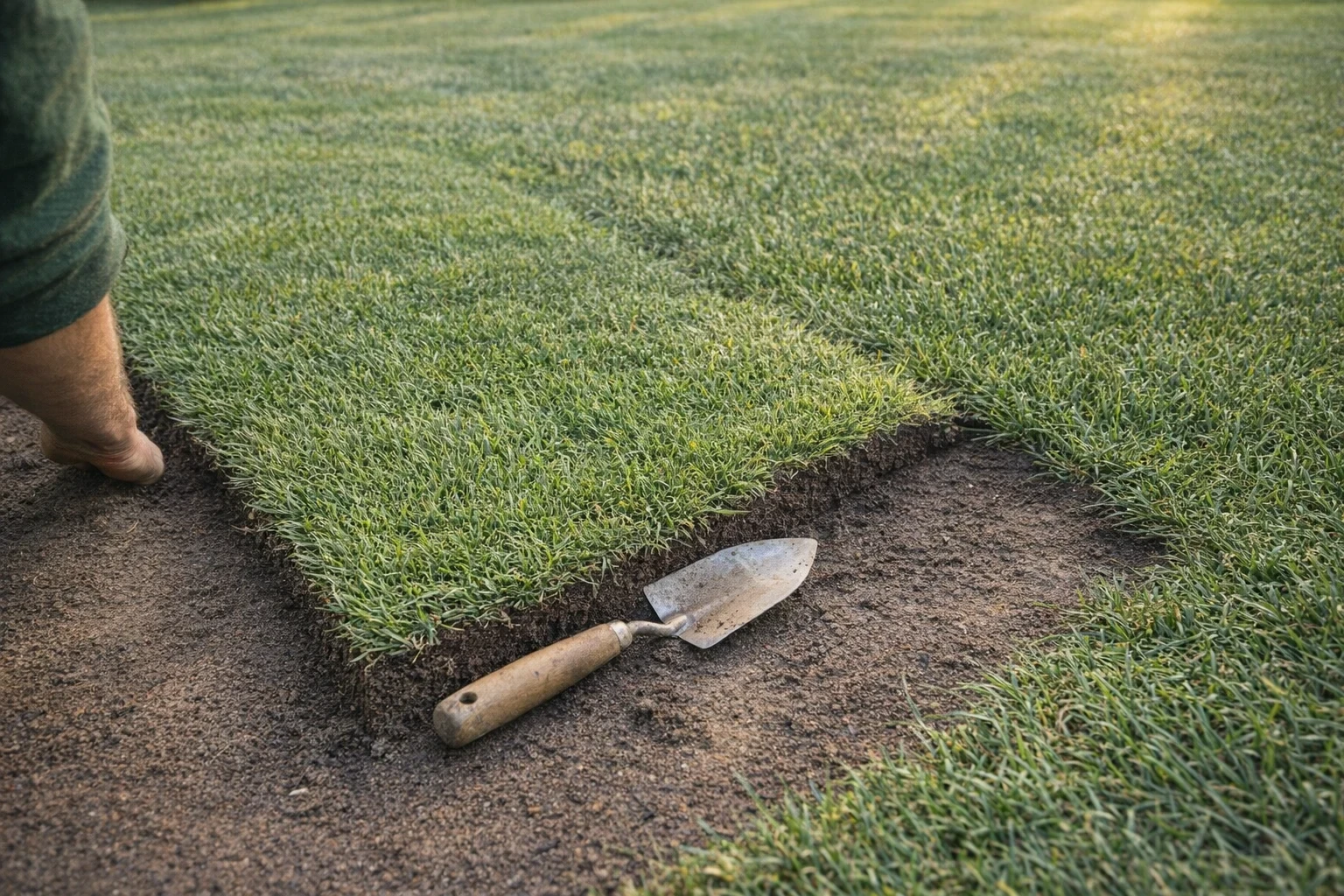
Sod installation is one of the most common major landscaping projects homeowners undertake, and it's an area where pricing data is relatively well-documented. According to the HomeAdvisor Sod Install Cost Guide (observed 2026-05-18), the cost of professional sod installation includes several components that homeowners often overlook when budgeting.
The sod itself is typically priced per square foot, with rates varying by grass type. Common Bermuda and Kentucky bluegrass varieties run at different price points than premium shade-tolerant mixes. Beyond the sod material, you'll encounter costs for ground preparation (which may include soil testing, grading, and amendment), delivery fees (especially for smaller orders), and installation labor.
Looking at historical data from the HomeAdvisor Sod Install Cost Guide (observed 2025-09-26), we can observe how these costs have tracked over time. The material and labor components have seen moderate inflation consistent with broader construction industry trends, while disposal fees and fuel surcharges have shown more volatility due to their connection to energy markets.
One common point of confusion: the difference between "sod only" pricing and "full installation" pricing. Sod-only quotes from big-box stores give you the material cost but exclude everything else. A full-service installation quote should include site preparation, delivery, installation, and often a short-term maintenance guarantee. Getting these scopes confused is how projects end up costing twice what you budgeted.
Factors That Drive Sod Installation Costs Up or Down
Site conditions are the primary variable. A flat, accessible lawn with good drainage and minimal obstacles will cost significantly less to sod than a sloped yard with poor soil and numerous trees to work around. The HomeAdvisor Sod Install Cost Guide (observed 2023-02-15) notes that difficult access—narrow gates, steep slopes, or properties requiring hand-carrying materials—can add substantial premiums to installation costs.
Soil preparation is often the hidden cost driver. If your existing soil needs significant amendment or if there's compacted thatch that must be removed, you're looking at additional charges that won't show up in a casual "per square foot" estimate. Professional installers typically include soil preparation in their base bid; budget services often exclude it.
Grass type selection matters more than most homeowners realize. Some varieties require more intensive establishment care (frequent watering, specific fertilization schedules), which affects the total cost of ownership even if the initial material cost seems comparable. Regional climate suitability also plays a role—what's inexpensive in Florida may be expensive to maintain in Michigan.
Tree Removal: The Variables That Determine Your Quote
Tree removal is where pricing gets genuinely complicated, and where homeowners are most likely to get blindsided. Unlike sod installation, where square footage gives you a reasonable estimate, tree removal involves multiple variables that interact in ways that aren't obvious to non-professionals.
The primary cost driver is tree size—specifically height and trunk diameter. Larger trees require more equipment, more labor, and more time to safely remove. They also generate more debris, which means higher disposal costs. A 30-foot tree in a suburban yard is a different job than a 30-foot tree pressed against a deck with limited drop zone.
Access is the second major variable. Can a bucket truck reach the tree? If not, the crew must climb and use rope-and-pulley techniques, which take longer and require more skilled (and thus higher-paid) arborists. Properties with limited access—fenced yards, steep terrain, or trees near structures—routinely cost more because they eliminate equipment-assisted removal.
Tree species affects both the difficulty and disposal cost. Softwoods like pines are generally easier to climb and process than dense hardwoods. Certain species have wood that is difficult to chip or that local disposal facilities won't accept. Palm trees, which are common in southern states, require completely different removal techniques than deciduous trees.
Stump removal is frequently a separate line item that homeowners forget to budget for. The visible tree removal and the stump below ground are different jobs. Many contractors offer "deal" pricing that excludes stump grinding, leaving homeowners with a stump in their yard and a second invoice when they realize they need it removed.
Tree Removal Cost Ranges by Job Type
Small tree removal (under 30 feet): These jobs can often be completed in a few hours by a two-person crew. They're typically the most competitive pricing tier, as many arborists target this segment. Expect significant regional variation, but these jobs generally fall in a specific range that your local market will determine.
Medium tree removal (30-60 feet): This is where most suburban tree removals fall. The job requires more equipment, more crew members, and more time. Pricing becomes more variable because site-specific factors (access, obstacles, debris volume) start to dominate the cost structure.
Large or hazardous tree removal (60+ feet): These are specialized jobs that require experienced arborists, often including certified arborists with additional credentials. Pricing reflects the specialized skills and insurance requirements. These jobs also involve more detailed safety planning, which reputable contractors build into their bids.
Price-Quotes Research Lab observes that the tree removal market in 2026 shows increasing consolidation, with larger national franchising operations competing alongside independent arborists. This has created more pricing transparency in some markets while reducing competition in others, as smaller operators struggle with insurance and equipment costs.
Ongoing Lawn Maintenance: What Basic Contracts Cover
For many homeowners, the question isn't just "how much does this project cost" but "how much will ongoing maintenance cost." Regular lawn care contracts typically include mowing, edging, blowing, and basic trimming. What they include—and exclude—varies significantly between providers.
Standard maintenance contracts usually run on a weekly or biweekly schedule during growing season (roughly March through October in most of the country, year-round in warmer climates). The per-visit cost depends on lot size, complexity (hills, obstacles, fence lines), and service frequency. Most contracts are structured as monthly billing based on per-visit rates.
What's often excluded from basic contracts: fertilization and weed control, aeration, leaf removal, snow removal, and landscape bed maintenance. These are typically add-on services that get priced separately. Before signing a maintenance contract, get a clear written list of what's included and excluded. Verbal assurances that aren't in the contract don't count.
Contract length is another negotiation point. Annual contracts typically offer better rates but lock you in. Month-to-month arrangements provide flexibility but at premium pricing. If you're new to a property or uncertain about a provider, starting with a shorter term while building trust makes sense. Once you've established a relationship and verified quality, annual contracts can offer meaningful savings.
The True Cost of Cheap Lawn Care
The old saying "you get what you pay for" applies strongly to lawn maintenance. Rock-bottom pricing often reflects corners being cut: dull blades that tear rather than cut grass (weakening plants), inconsistent scheduling that lets lawns get overgrown between visits, inadequate equipment that leaves ruts and compaction, and high crew turnover that means you're constantly training new people on your property.
The cumulative effect of these shortcuts isn't always immediately visible. Turf that looks fine in weekly snapshots may be declining in ways that take months to manifest. By the time you notice the damage—thinning grass, weed invasion, disease susceptibility—you may be looking at expensive remediation.
Professional lawn care services that invest in ongoing training, sharp equipment, and consistent crews typically price higher for good reasons. The premium often pays for itself in reduced remediation costs, better property appearance, and fewer unpleasant surprises.
How to Evaluate Landscaping Quotes
Getting a fair price on landscaping work starts with understanding what makes a quote complete. An incomplete quote—one that omits cleanup, disposal, or site preparation—isn't actually cheaper than a higher complete bid. It's just deferred billing.
Request itemized bids whenever possible. A line-item quote shows you exactly what you're paying for: labor hours or flat rates, equipment charges, materials, disposal fees, and any additional services. Vague bids that give you a single total number make it impossible to compare across contractors or identify where you're paying premiums.
Verify insurance coverage before hiring. Landscaping and tree work are high-risk activities. A contractor without adequate liability insurance and workers' compensation coverage puts your property at risk. If a crew member gets injured on your property and the contractor lacks coverage, you may be liable. Ask for certificates of insurance and verify they haven't expired.
Check licensing where required. Many states require contractors to hold specific licenses for tree work, pesticide application, or plumbing (for irrigation systems). Verify credentials through your state licensing board, not just contractor self-reporting. A valid license means the contractor has met minimum competency standards and carries required insurance.
Get at least three bids for any job over $1,000. This isn't just about finding the lowest price—it's about understanding the range of what's possible. An outlier bid (either very high or very low) tells you something about the market or the scope. A very low bid often means the contractor is missing something; a very high bid may indicate they're targeting a different customer segment.
Red Flags to Watch For
High-pressure sales tactics should immediately disqualify a contractor. Legitimate landscaping businesses don't need to rush you into signing. "I have another job starting tomorrow and need your decision tonight" is a pressure tactic, not a fact. Walk away from anyone who uses it.
Cash-only terms are a warning sign. Reputable contractors accept checks and credit cards because they provide documentation and recourse. Cash transactions leave no paper trail, which matters if disputes arise. While cash discounts are sometimes legitimate (avoiding credit card processing fees), the discount should be modest—5% or less. Large "cash discounts" suggest the contractor is evading taxes or planning to be judgment-proof if something goes wrong.
Upfront payments beyond reasonable deposits (typically 25-50% for materials and first-week labor) create unnecessary risk. Legitimate contractors don't need full payment upfront to "secure your spot" or "order materials." They have accounts with suppliers and manage their own cash flow. Large upfront payments should be refused; if a contractor insists, find another contractor.
Cost Comparison: Major Landscaping Services in 2026
The following table summarizes typical cost ranges for common landscaping services. These are general ranges based on available market data; your actual costs will depend on specific site conditions, regional market rates, and service provider. Use these ranges as benchmarks for evaluating quotes, not absolute predictions.
| Service | Typical Range | Key Variables |
|---|---|---|
| Sod Installation (full service) | Varies by grass type, lot size, and site preparation needs | Grass variety, soil conditions, access, preparation requirements |
| Tree Removal (small, under 30 ft) | Varies by diameter, species, and access | Tree size, species, access, stump removal |
| Tree Removal (medium, 30-60 ft) | Varies by diameter, species, and access | Tree size, species, access, obstacles, disposal |
| Tree Removal (large/hazardous, 60+ ft) | Varies significantly by complexity | Hazard assessment, specialized equipment, crew size |
| Stump Grinding | Varies by stump diameter and depth | Stump size, species, depth, access for equipment |
| Weekly Lawn Maintenance | Varies by lot size and complexity | Lawn square footage, terrain, obstacles, service frequency |
| Mulch Installation | Varies by material type and coverage area | Mulch type, depth, bed size, edging needs |
Price-Quotes Research Lab observes that the landscaping industry has seen significant technology adoption since 2020, with drone-based tree assessments, GPS-tracked maintenance crews, and digital quoting platforms becoming more common. These tools can improve accuracy and documentation but don't fundamentally change the physical nature of the work or the cost drivers.
What to Do Next: Your Action Plan
Understanding landscaping costs is the first step. Converting that knowledge into action is what protects your wallet. Here's a practical framework for your next landscaping project:
Step 1: Define the scope precisely. Before getting any quotes, document exactly what you want done. "Fix my lawn" isn't a scope. "Install approximately 2,000 square feet of sod in the front yard, including soil preparation and existing grass removal" is a scope. The more precisely you can define the work, the more accurately contractors can price it.
Step 2: Research local market rates. Use resources like the price-quotes.com platform to understand typical pricing in your area. Don't rely on national averages—your local market may be significantly higher or lower. Talking to neighbors who've had similar work done gives you real-world data points.
Step 3: Get minimum three written bids. Verbal estimates aren't binding and often don't include everything. Written bids should be itemized and should include cleanup, disposal, and any permit fees. A contractor who won't provide a written bid isn't a contractor you want.
Step 4: Verify credentials before signing. Confirm insurance coverage, check licensing if applicable in your state, and verify the contractor has a physical business address (not just a P.O. box). Online reviews provide context but verify independently—review platforms can be gamed.
Step 5: Get everything in writing. The signed contract should include the scope of work, payment terms, timeline, cleanup responsibilities, and what happens if the job isn't completed satisfactorily. Don't rely on verbal assurances; if it's important, put it in the contract.
Step 6: Don't pay more than reasonable upfront. A deposit of 25-50% for materials and initial labor is standard. If a contractor demands full payment upfront, decline. If they insist, find another contractor. Your leverage disappears once you've paid in full.
When to Consider DIY
Some landscaping work is genuinely suitable for determined DIYers. Basic lawn maintenance—mowing, edging, basic trimming—is accessible to most homeowners with modest equipment investment. Mulch installation in established beds is straightforward. Minor sod patches can be DIY projects if you're willing to learn proper ground preparation.
However, tree work is categorically different. Tree removal involves hazards that kill trained professionals every year. Even small tree removals carry risks from falling branches, equipment failures, and power line proximity. Unless you have professional training and appropriate equipment, tree work should be left to certified arborists. The cost of a professional removal is a bargain compared to the cost of an injury or property damage.
Irrigation system installation and major drainage work also benefit from professional expertise. These systems interact with municipal infrastructure and often require permits. Mistakes can cause water damage, code violations, or water waste that adds up over years.
Final Thoughts
Landscaping costs don't have to be a mystery. The information asymmetry that once made it impossible for homeowners to evaluate quotes has eroded significantly. Resources like the HomeAdvisor Sod Install Cost Guide (observed 2026-05-18) and historical pricing data from sources like the HomeAdvisor Sod Install Cost Guide (observed 2022-03-23) give you the baseline to understand whether a quote is reasonable.
The homeowners who get the best outcomes aren't necessarily the ones who find the lowest prices. They're the ones who understand what they're buying, verify credentials, get multiple bids, and maintain clear documentation throughout the process. The contractor who provides a detailed written quote, answers your questions thoroughly, and doesn't pressure you into quick decisions is worth paying a premium over the one who gives you a vague estimate and demands a decision today.
Your yard is a significant investment—often the most valuable feature of your property. Treat landscaping decisions with the same seriousness you'd apply to any major home improvement. The upfront effort of getting informed protects your wallet and ensures the work meets your standards for years to come.